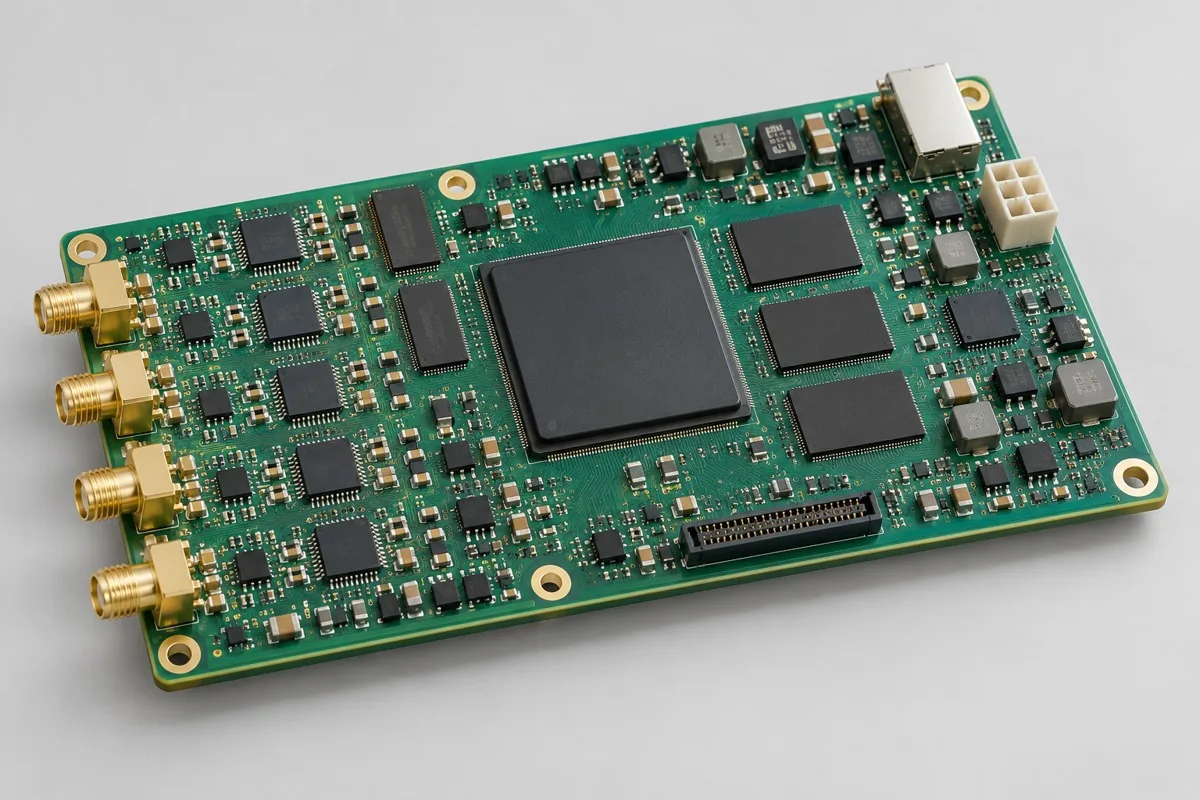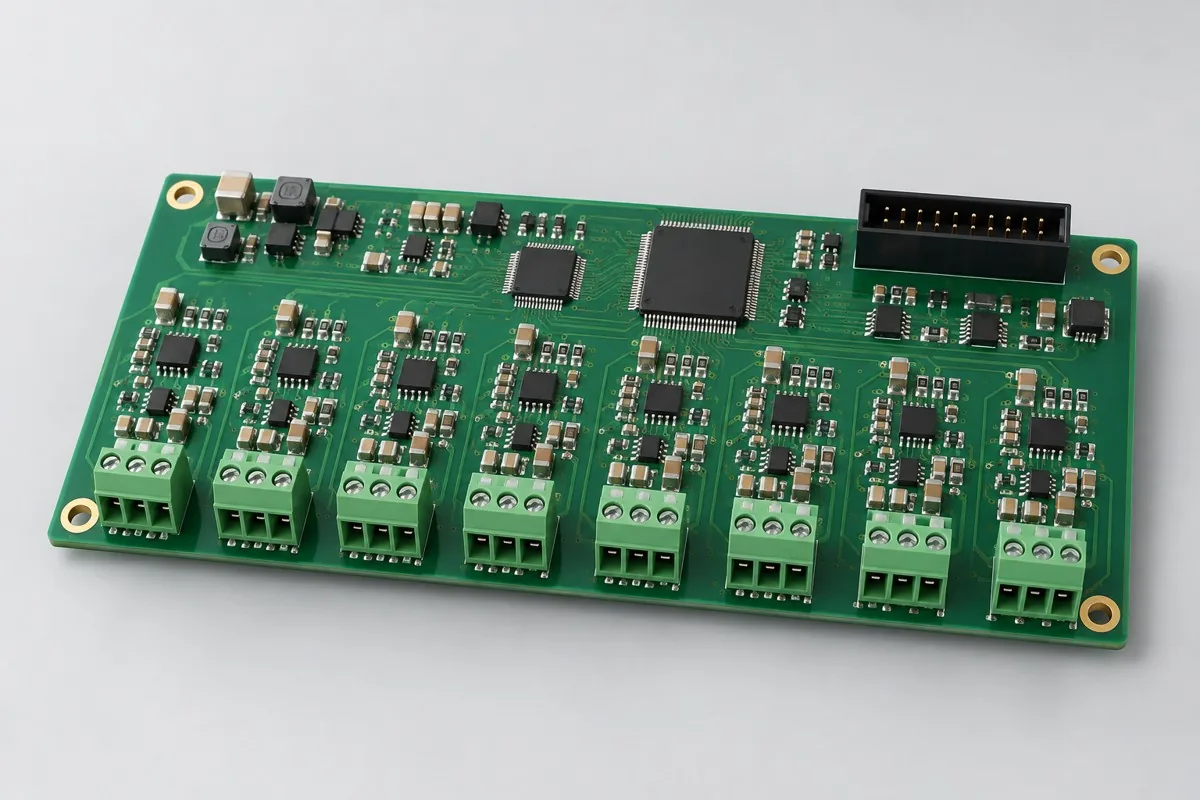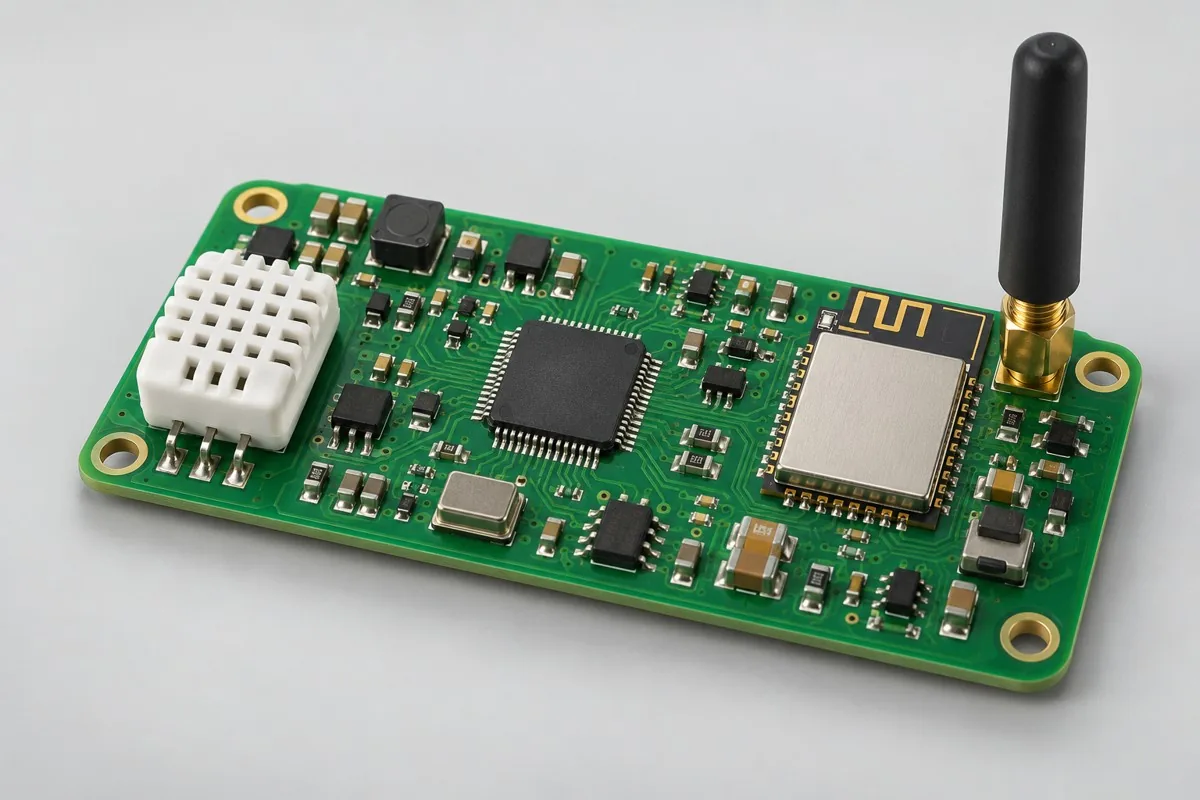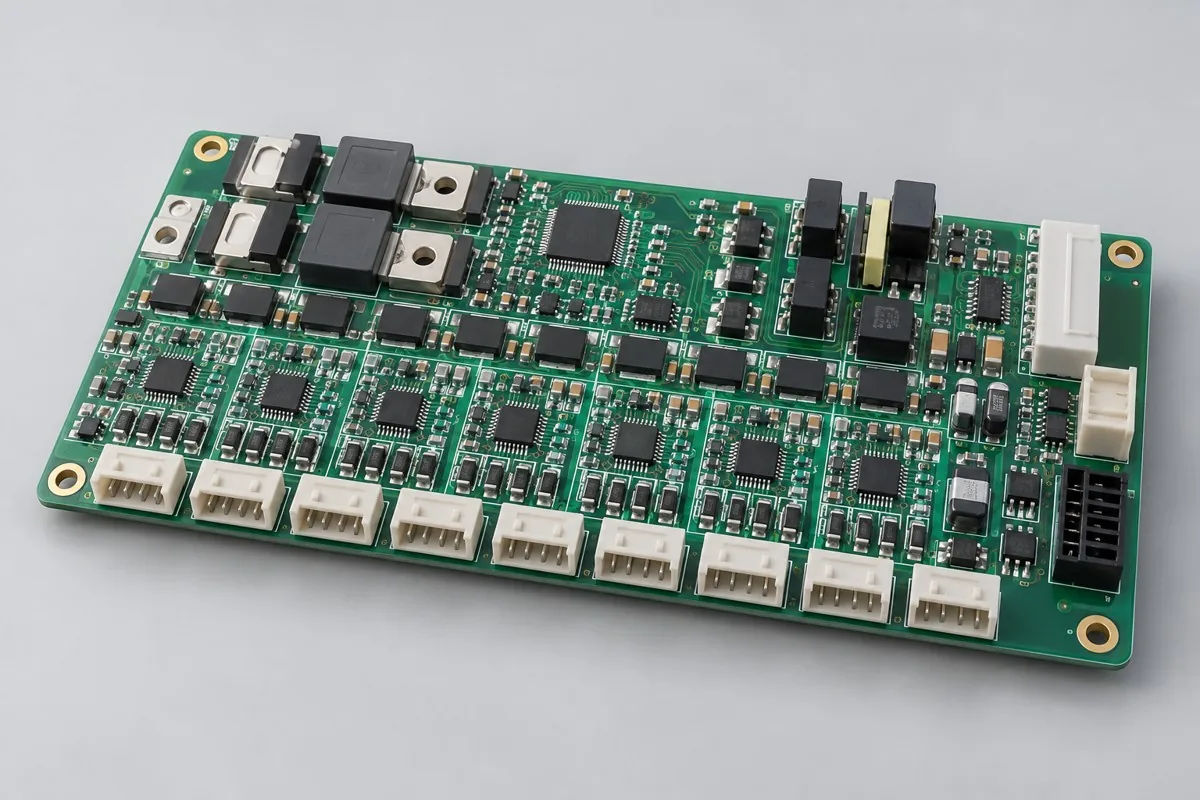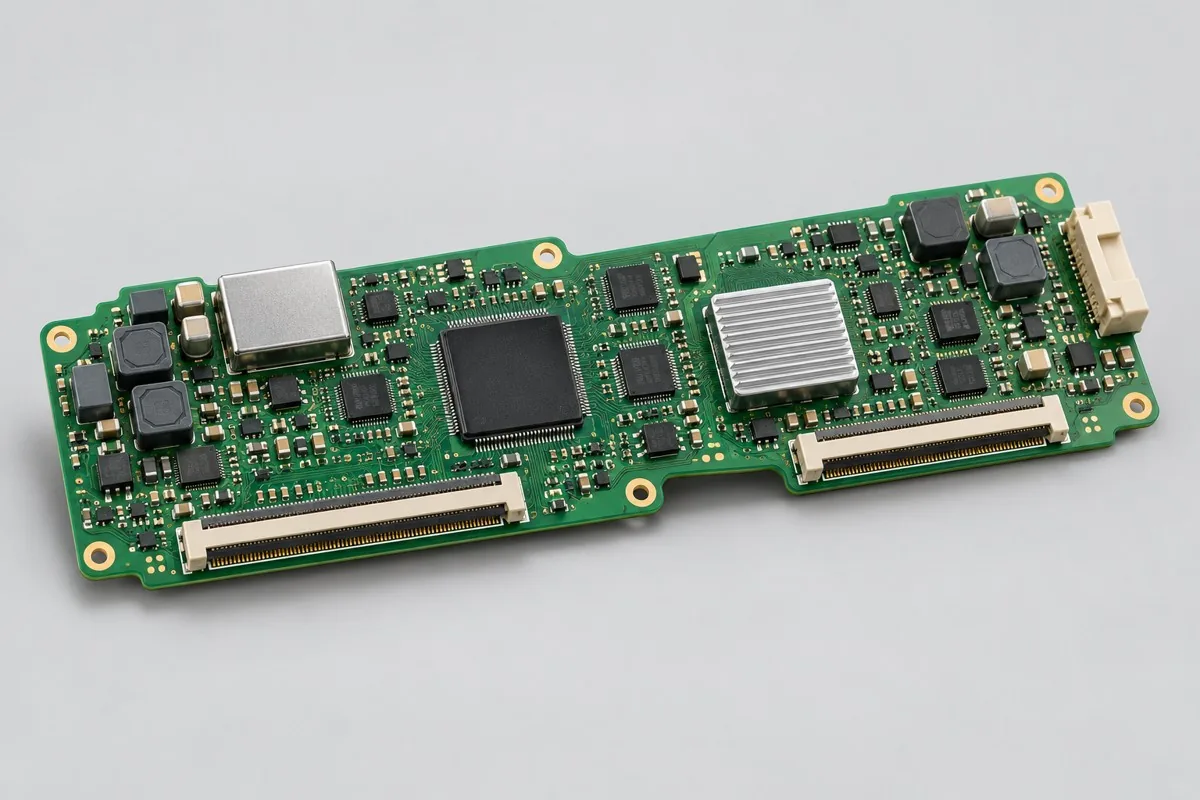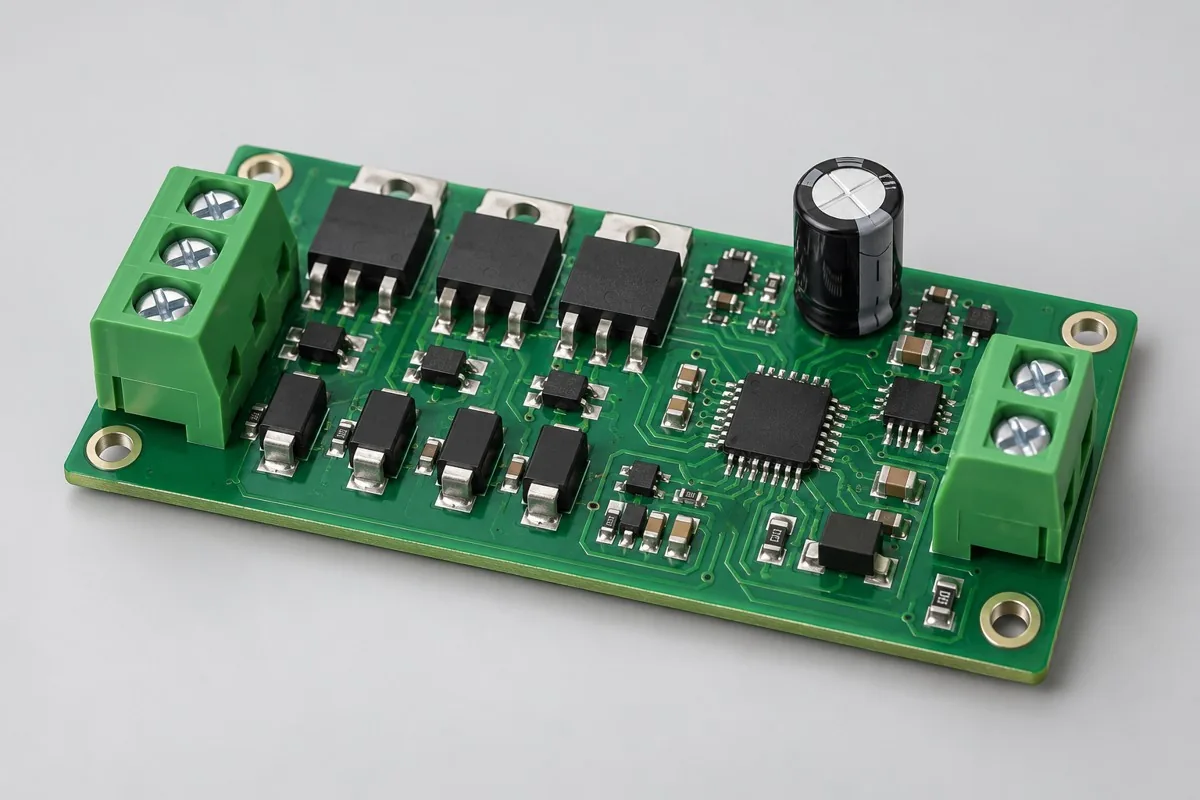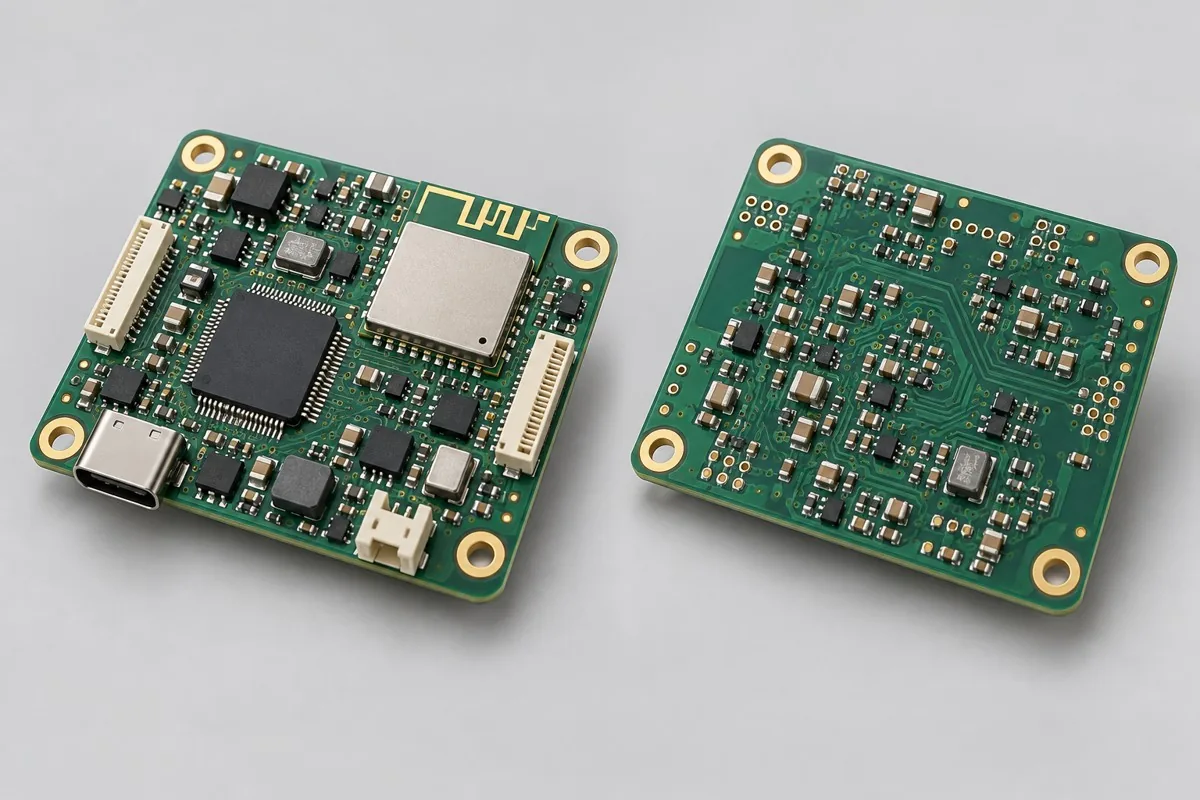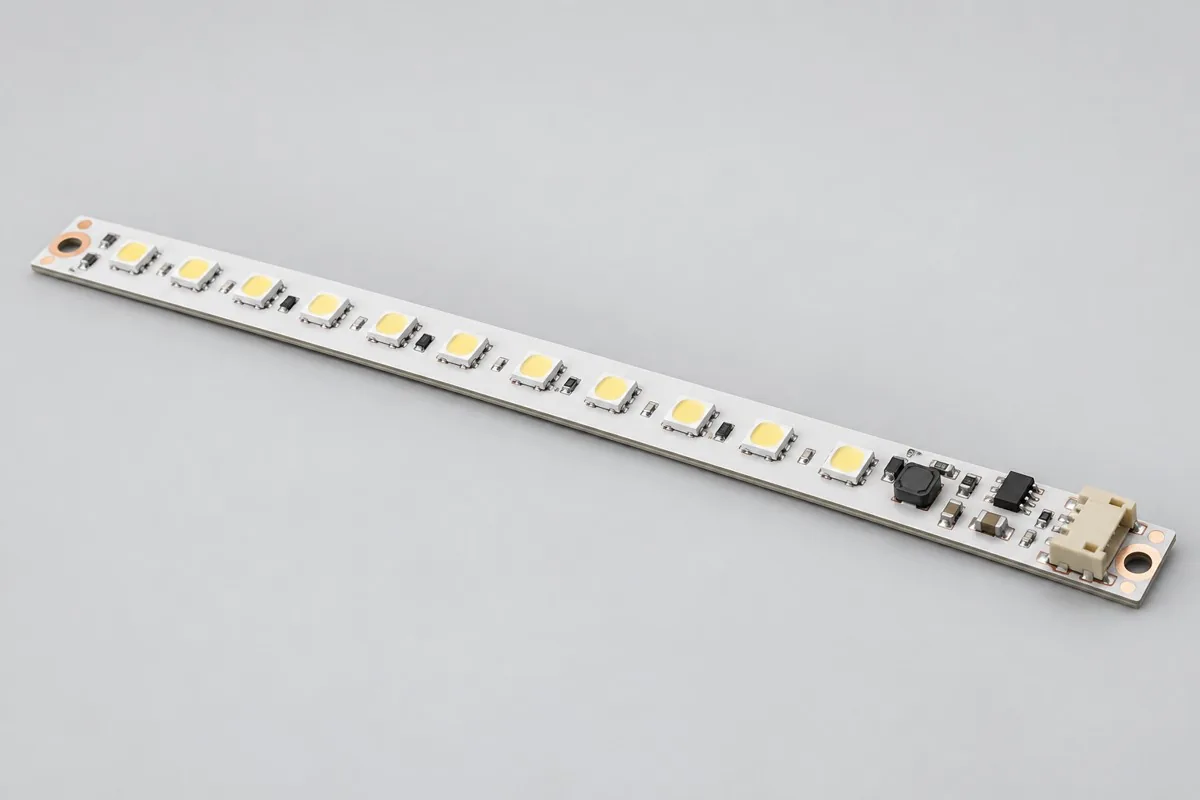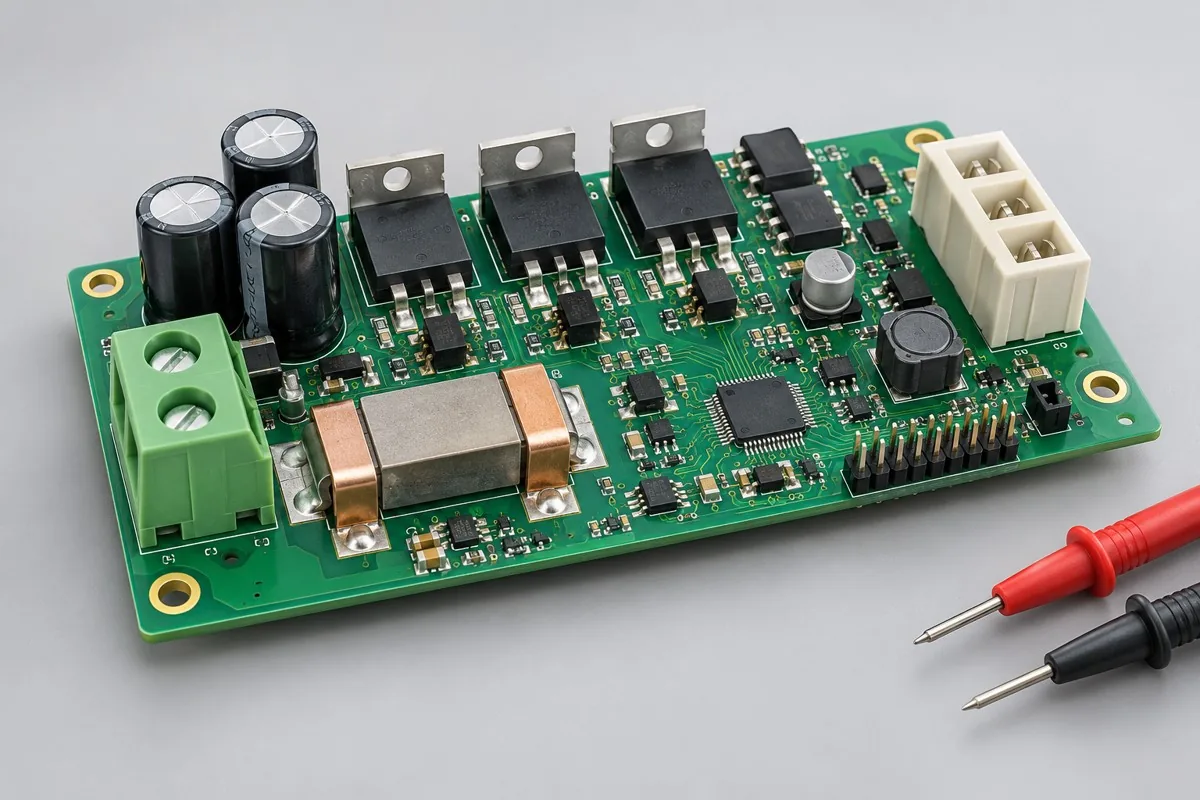
SMT Assembly
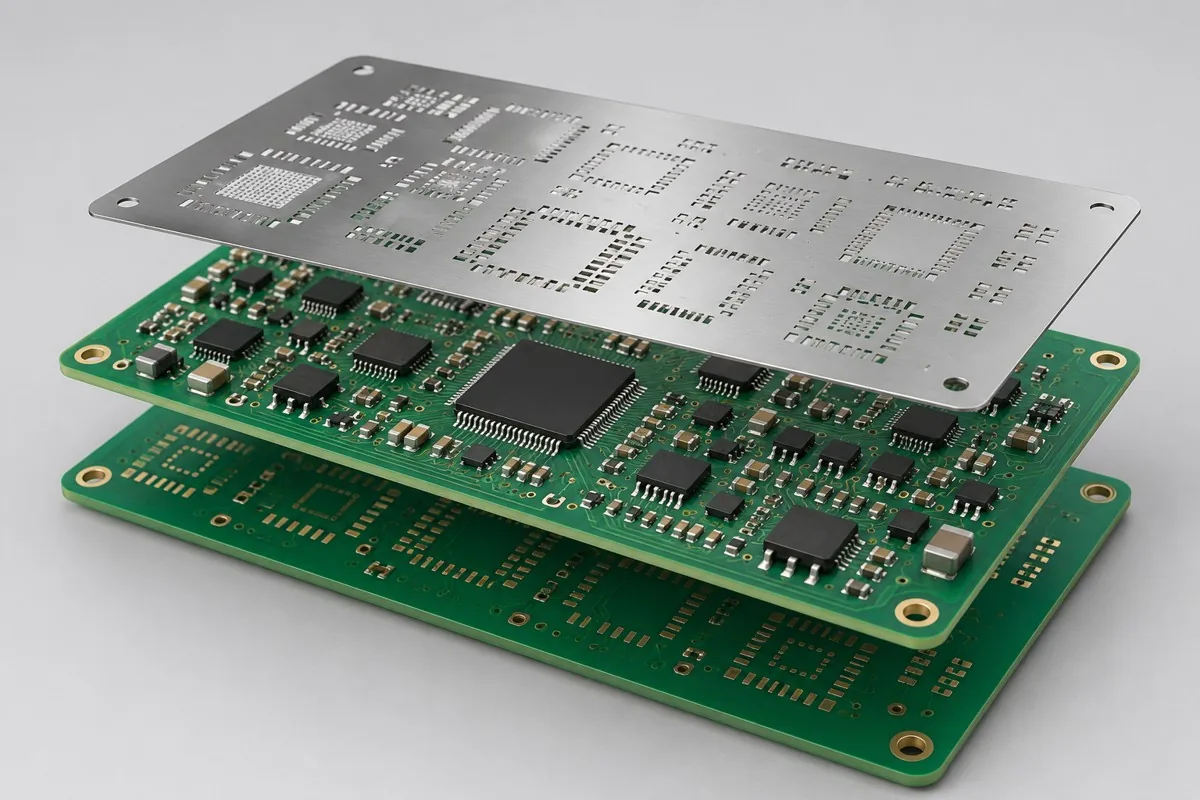
Prepare an SMT build around package types, panel design, paste, placement, reflow and inspection. Check material handling and first-article requirements.
View SMT Assembly ConfigurationsPCB assembly turns a released board design and approved components into an assembled product. Start by deciding whether the next build is intended to prove a design, qualify the manufacturing route or repeat an approved configuration. That decision determines the material, inspection and test work that belongs in the order.
| Your situation | Recommended discussion | What to prepare |
|---|---|---|
| You have a released design and want one coordinated order | Turnkey procurement, PCB fabrication and assembly | Manufacturing package, approved BOM, quantities and test responsibilities |
| You provide parts or bare boards | SMT assembly with an agreed consigned-material scope | Material list, packaging condition, expected losses and replenishment owner |
| The design still needs verification | Prototype PCB assembly | Known risks, validation plan, programming files and decisions the samples must support |
| The design is verified and needs repeatable batches | Low-volume PCB assembly | Frozen revision, first-article approval, approved suppliers and change rules |
The turnkey responsibility schedule explains procurement inclusions. Use SMT preparation guidance, prototype planning or repeat-build control for the route you need.
Provide fabrication data, BOM, placement data and assembly drawings from the same revision. Mark do-not-populate positions and variants explicitly. Include component manufacturer part numbers, polarity information and substitution approval rules. If the design is incomplete, list the missing inputs rather than silently allowing another party to choose them.
Programming, functional testing, fixtures, enclosure assembly and regulatory work need their own scope. A placement inspection does not establish firmware behavior or system safety. Use the test coverage matrix to identify what the project must demonstrate.
The review should result in a controlled list of open questions, included operations, acceptance criteria and required records. Confirm how shortages, nonconforming material, rework and design changes are approved. Delivery milestones distinguish engineering approval, kit readiness, manufacturing and transit; the order must identify which event starts each period.
For quotation, send the available files through the engineering RFQ. If you need help defining the scope first, use the project inquiry.
Quality and acceptance · Testing and delivery · Engineering RFQ with BOM and placement data
Browse by product type, then compare configuration details, process tradeoffs, and verification requirements.
Prepare an SMT build around package types, panel design, paste, placement, reflow and inspection. Check material handling and first-article requirements.
View SMT Assembly ConfigurationsPlan BGA assembly around pad geometry, package warpage, reflow limits and hidden-joint inspection. Define X-ray, rework and functional-test requirements.
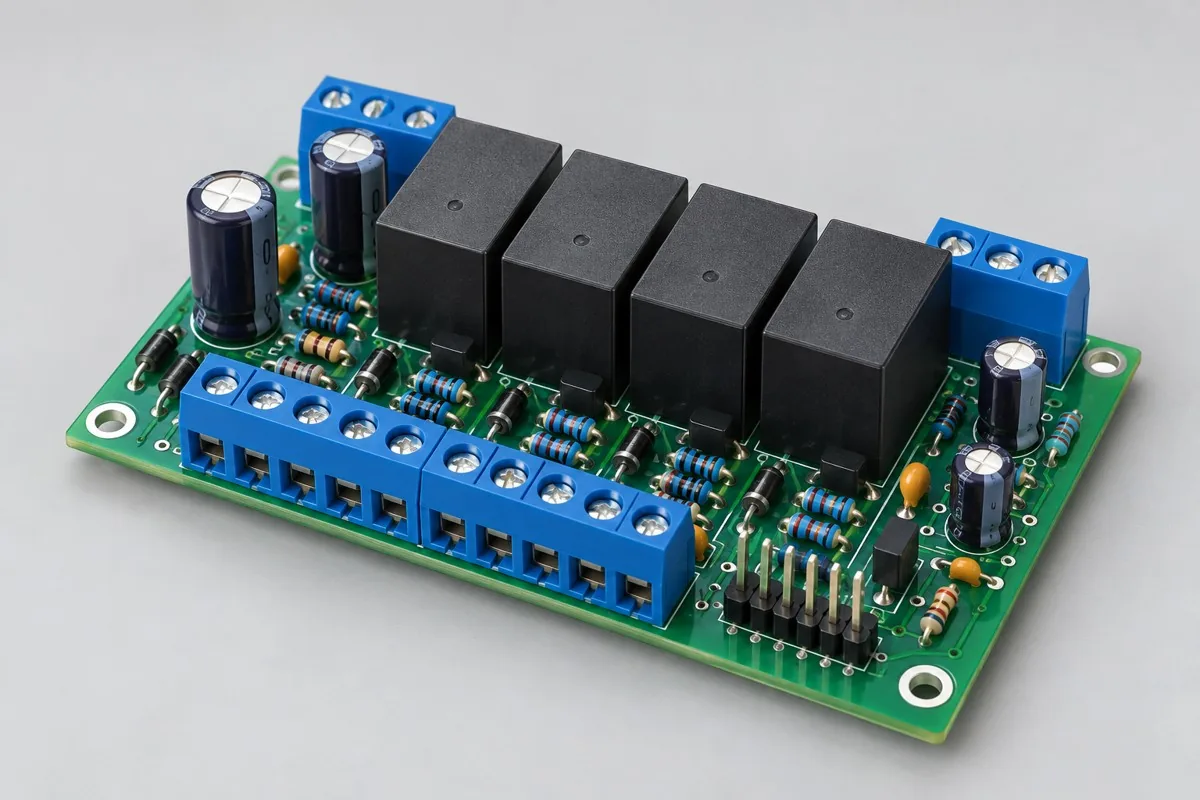
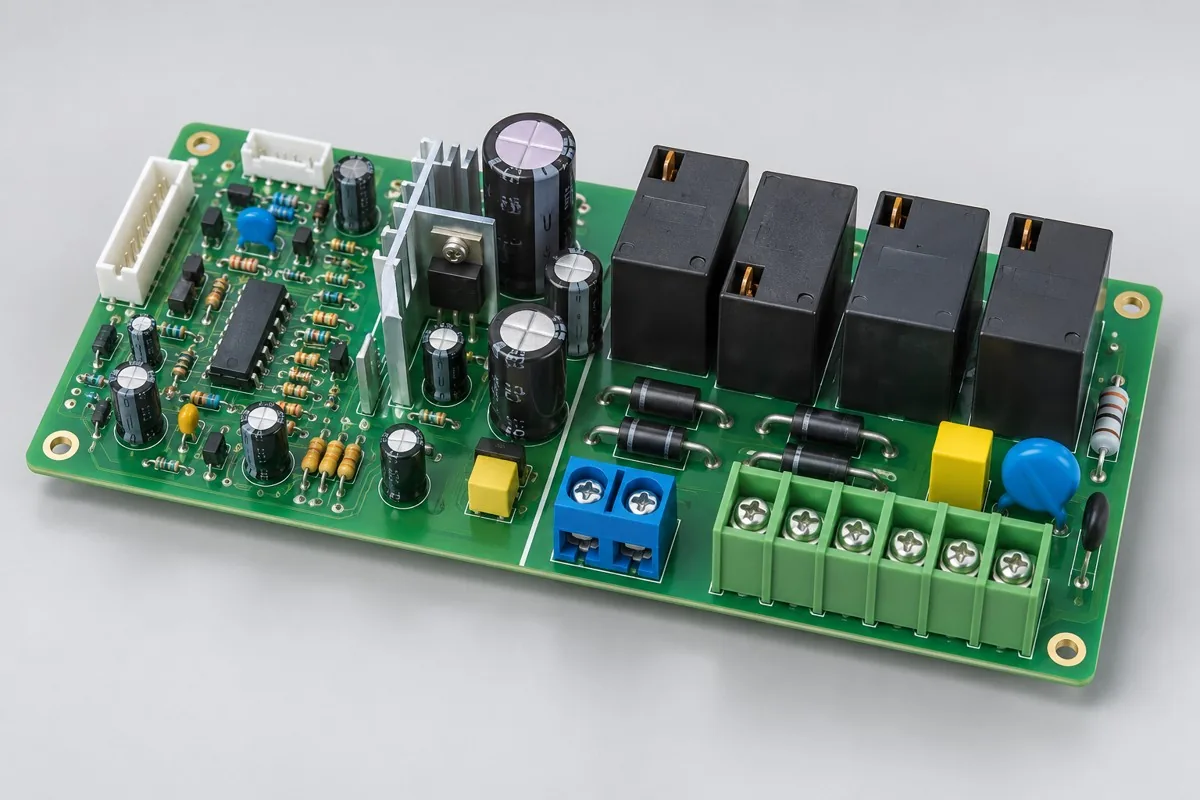
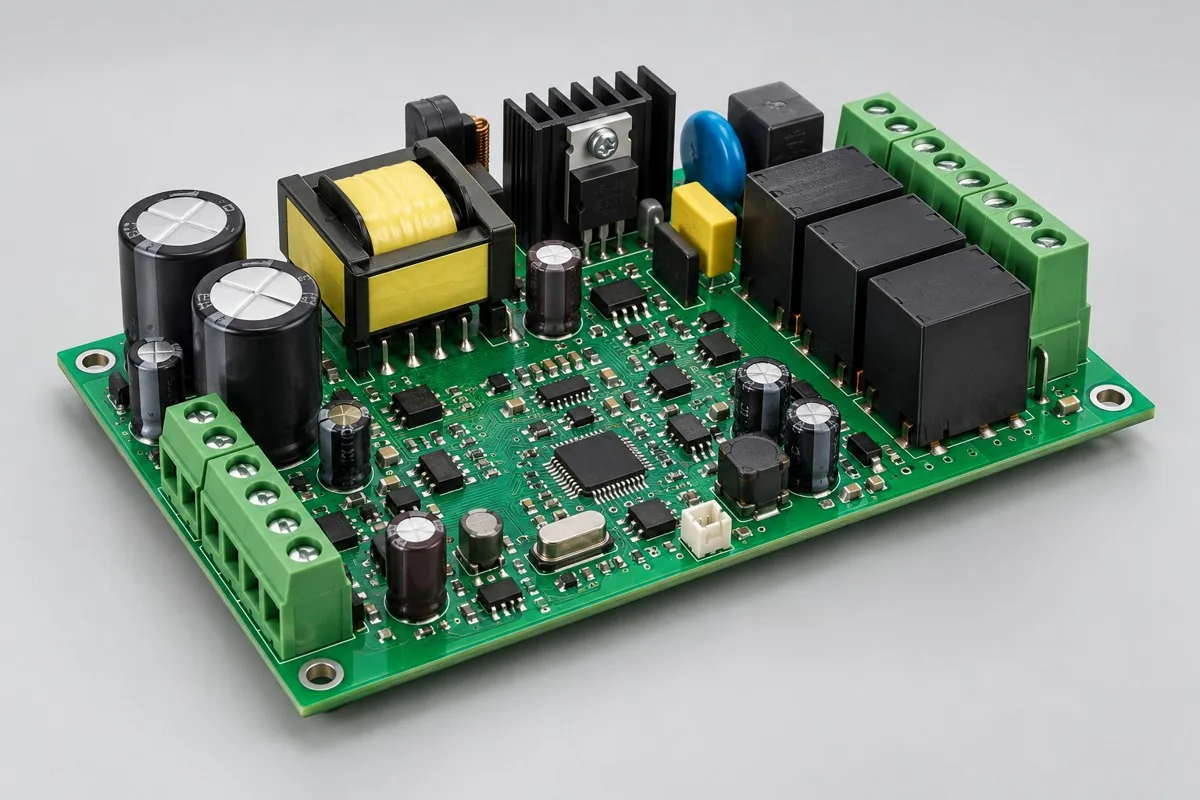
View BGA Assembly ConfigurationsCompare through-hole assembly routes for relays, terminals and power components. Define lead preparation, soldering, fastening and load-test requirements.
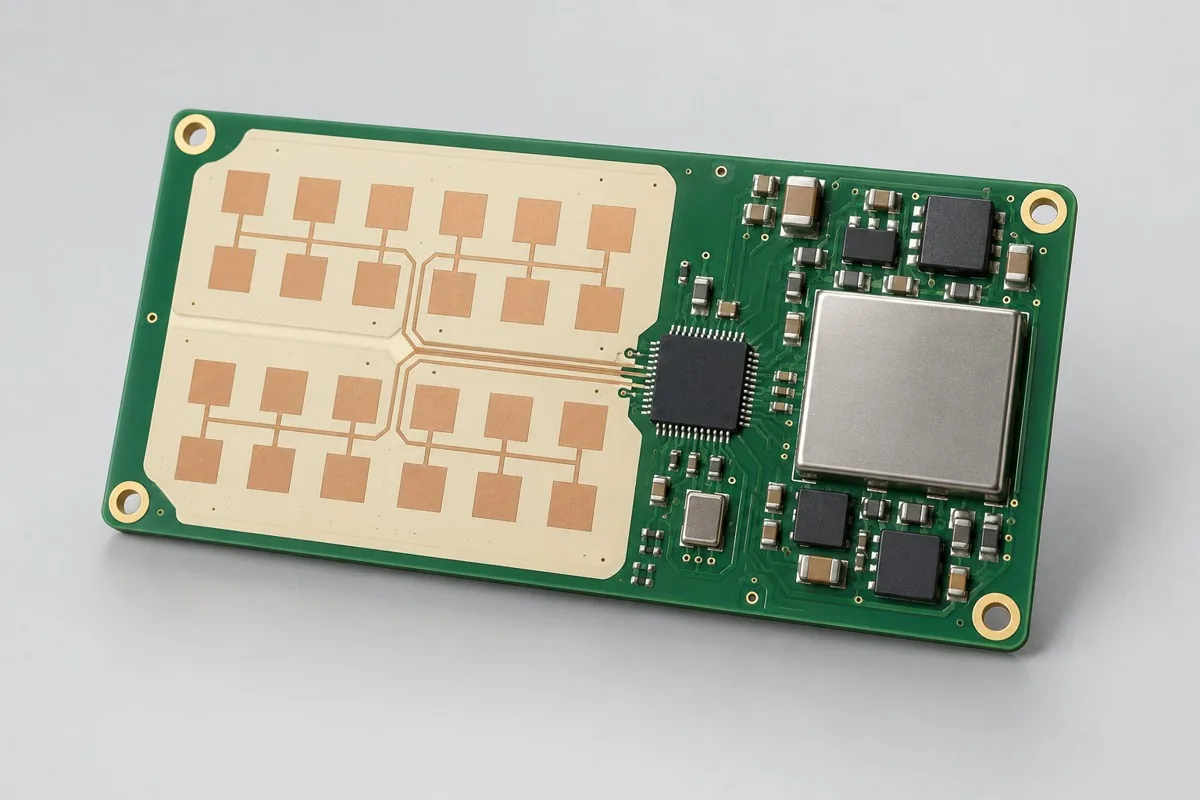
View Through-Hole Assembly ConfigurationsPlan RF assembly around component placement, grounding, shielding, connectors and measurement fixtures. Separate assembly checks from RF performance tests.
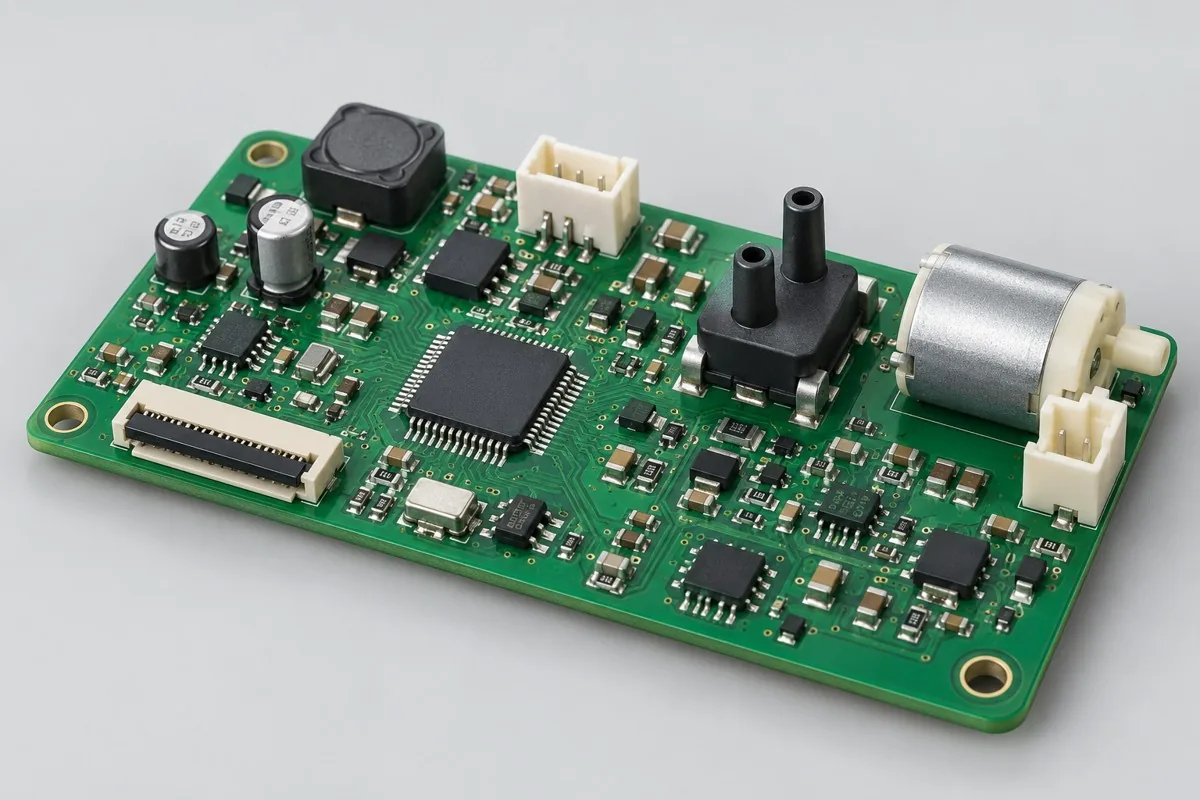
View High-Frequency PCB Assembly ConfigurationsDefine medical PCB assembly requirements for sensing, control and power circuits. Review traceability, cleanliness, test coverage and project approvals.
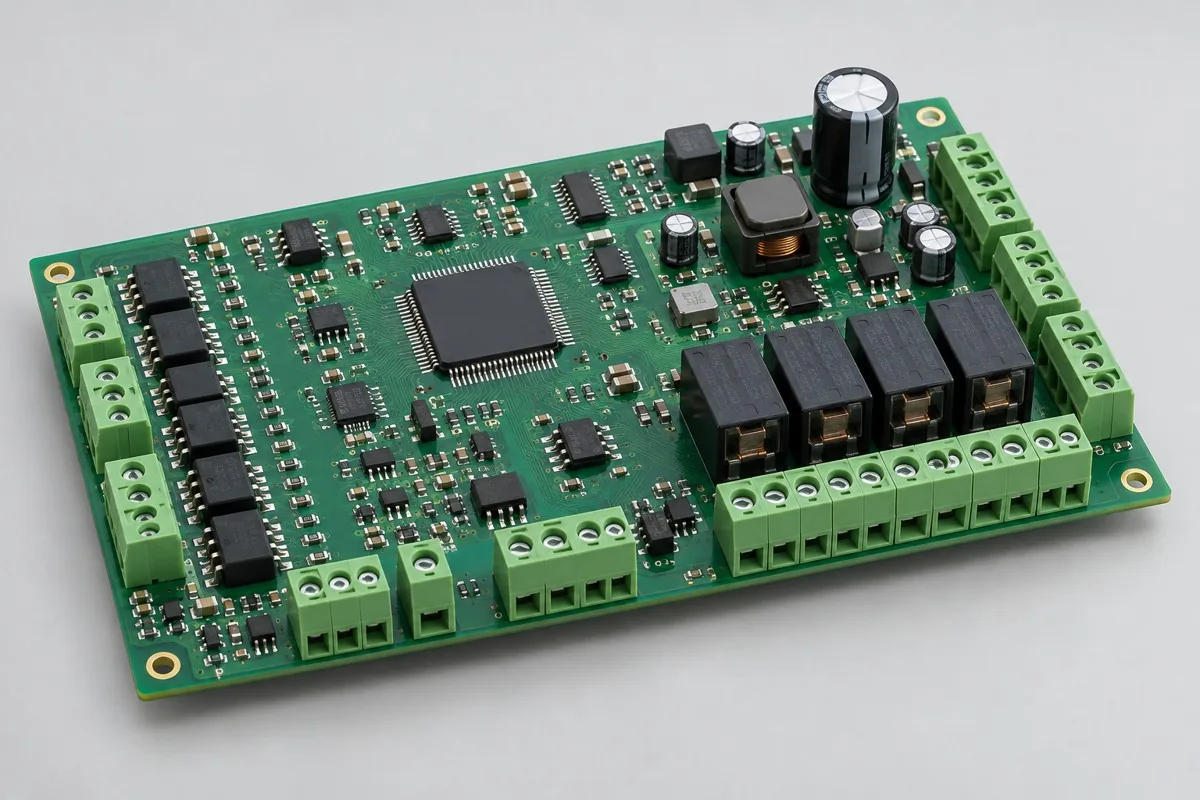
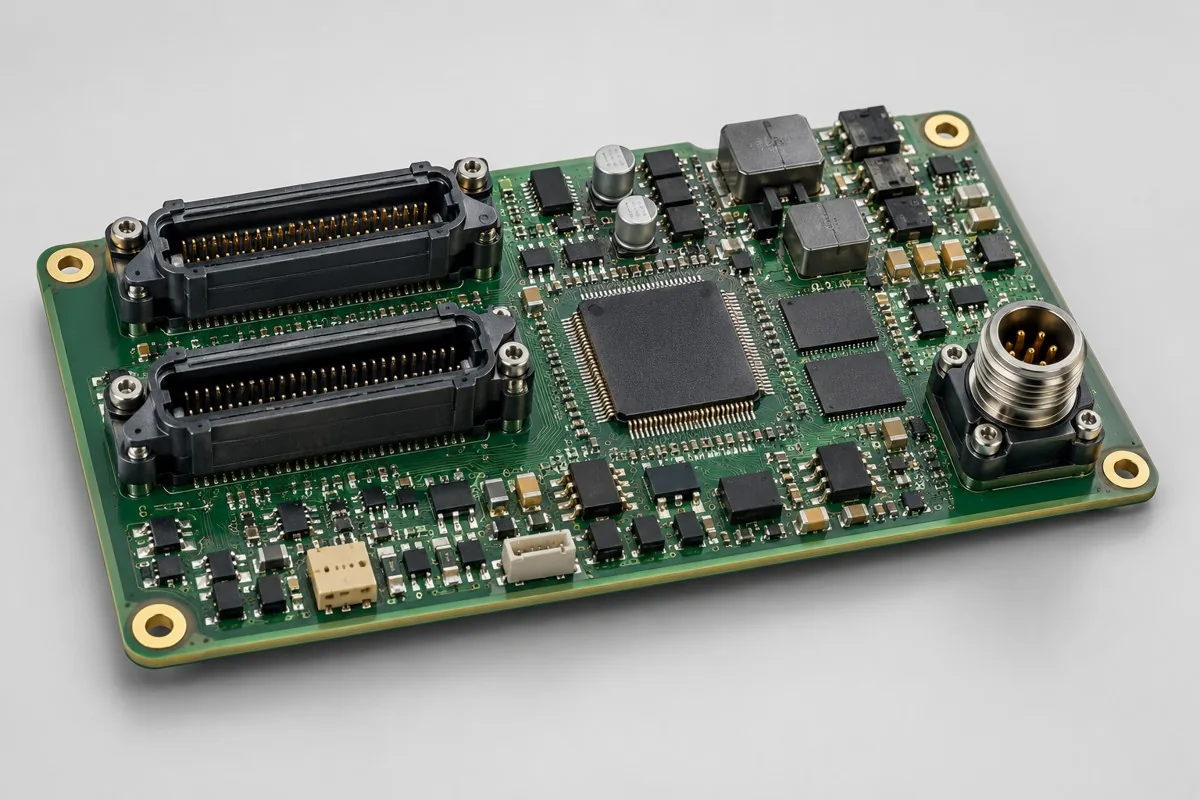
View Medical Electronics Assembly ConfigurationsPrepare industrial PCB assembly for field power, isolation, communication and control. Specify connectors, protection, programming and functional tests.
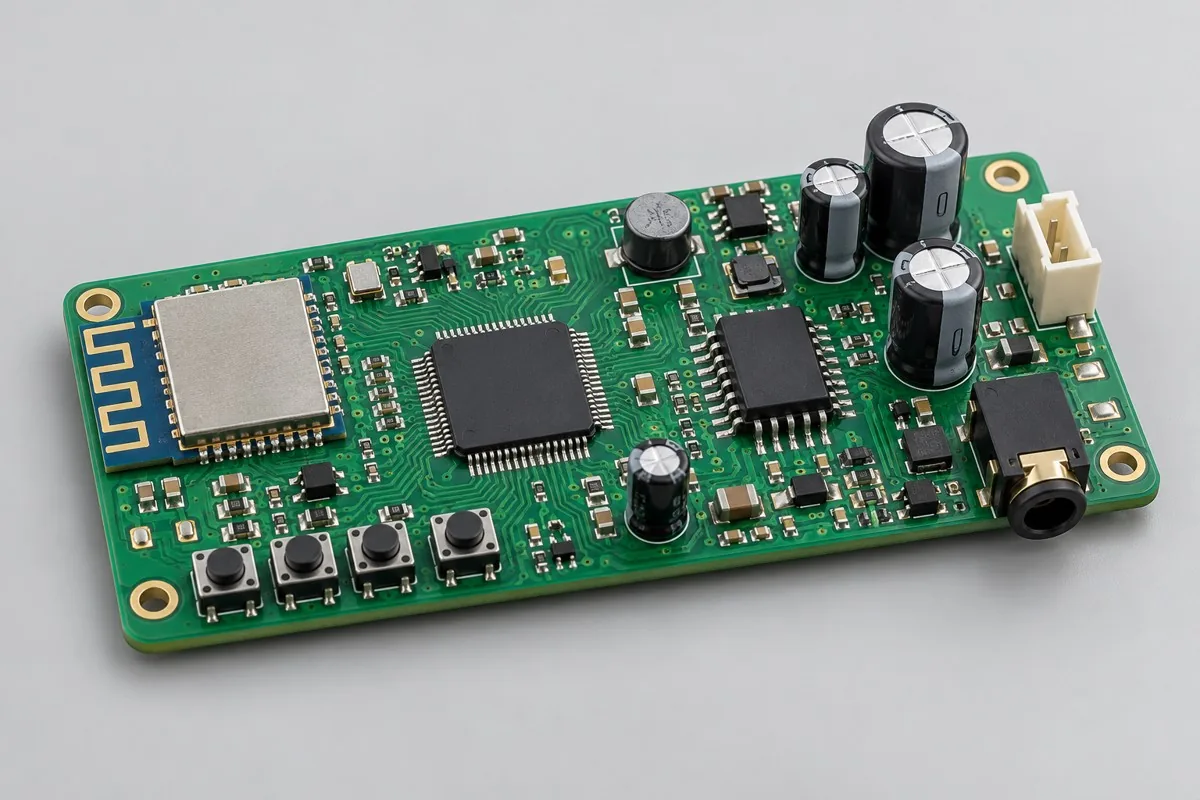
View Industrial Electronics Assembly ConfigurationsPlan consumer-electronics assembly around audio, connectivity, controls and enclosure fit. Compare material supply, programming and end-of-line test scope.
View Consumer Electronics Assembly ConfigurationsReview energy-storage board assembly for sensing, balancing, isolation and protection circuits. Define configuration, traceability and safe test conditions.
View Energy Storage Electronics Assembly ConfigurationsPrepare automotive PCB assembly requirements with controlled revisions, traceability, customer quality requirements and evidence for the intended site.
View Automotive Electronics Assembly ConfigurationsSpecify DIP and other through-hole soldering work, including insertion, lead trimming and wave or selective soldering. Clarify what the assembly quote includes.
View DIP Assembly ConfigurationsPrepare repeatable low-volume PCB assembly with a released BOM, first-article approval and change control. Review setup reuse, material stock and test scope.
View Low-Volume PCB Assembly ConfigurationsPlan volume PCB assembly around approved revisions, material availability, production tests and lot traceability. Define ramp-up and repeat-order controls.
View Volume PCB Assembly ConfigurationsCombine PCB fabrication, component sourcing and assembly in one defined order. Compare material ownership, substitutions, testing and turnkey quote inclusions.
View Turnkey PCB Assembly ConfigurationsPlan single-sided PCB assembly around package placement, panel support and soldering access. Define inspection, programming and functional-test requirements.
View Single-Sided PCB Assembly ConfigurationsReview double-sided assembly sequences, thermal exposure and support tooling. Check component clearances, inspection access and test coverage.
View Double-Sided PCB Assembly ConfigurationsPlan LED board assembly around polarity, optical grouping, thermal paths and soldering conditions. Define brightness, current and functional-test requirements.
View LED PCB Assembly ConfigurationsPrepare prototype PCB assembly to resolve design risks. Align the BOM, placement files, programming and validation plan before the first build.
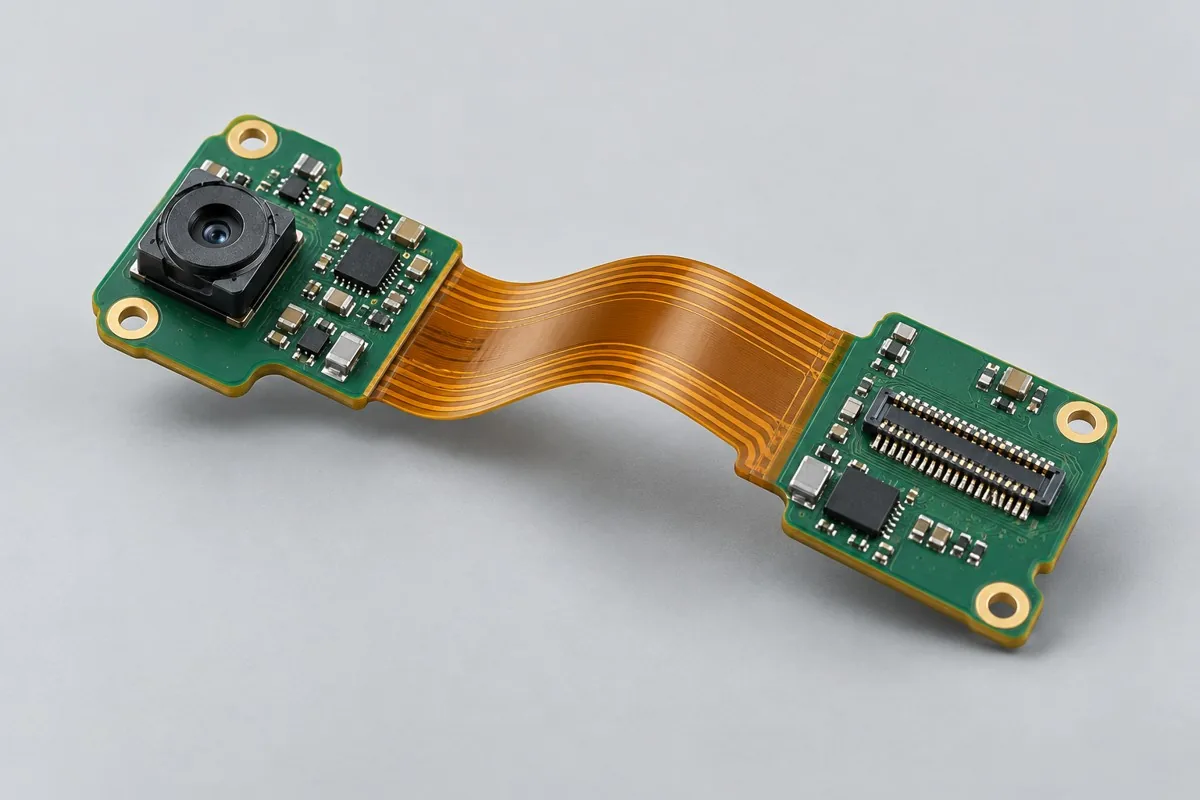
View Prototype PCB Assembly ConfigurationsPlan rigid-flex assembly around board support, forming sequence and component clearances. Define handling, inspection and functional-test requirements.
View Rigid-Flex PCB Assembly ConfigurationsCoordinate SMT and through-hole assembly on one board. Review soldering sequence, thermal exposure, access, fixtures and post-assembly tests.
View Mixed SMT and THT Assembly ConfigurationsDefine PCB assembly for projects with additional qualification or documentation needs. Verify site scope, traceability and customer acceptance requirements.

Tell us the product use and which files are available. We can define the next engineering step even when the data package is not complete.