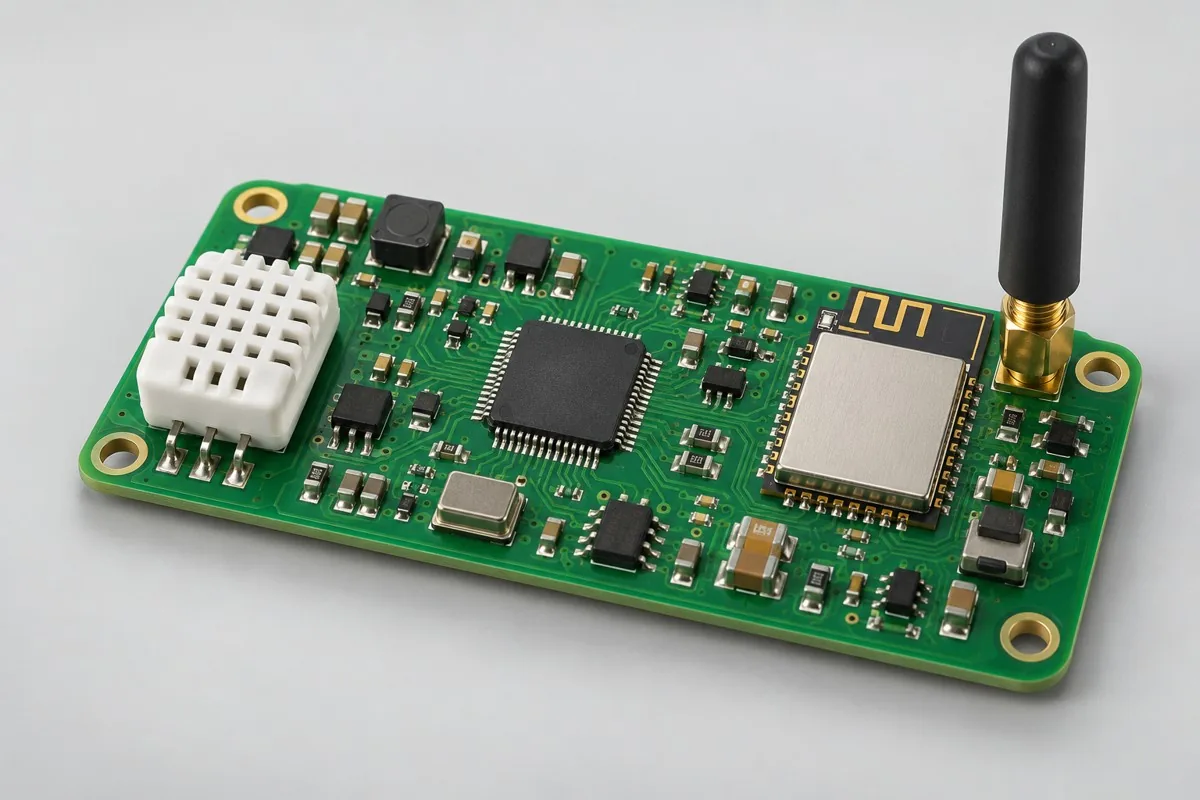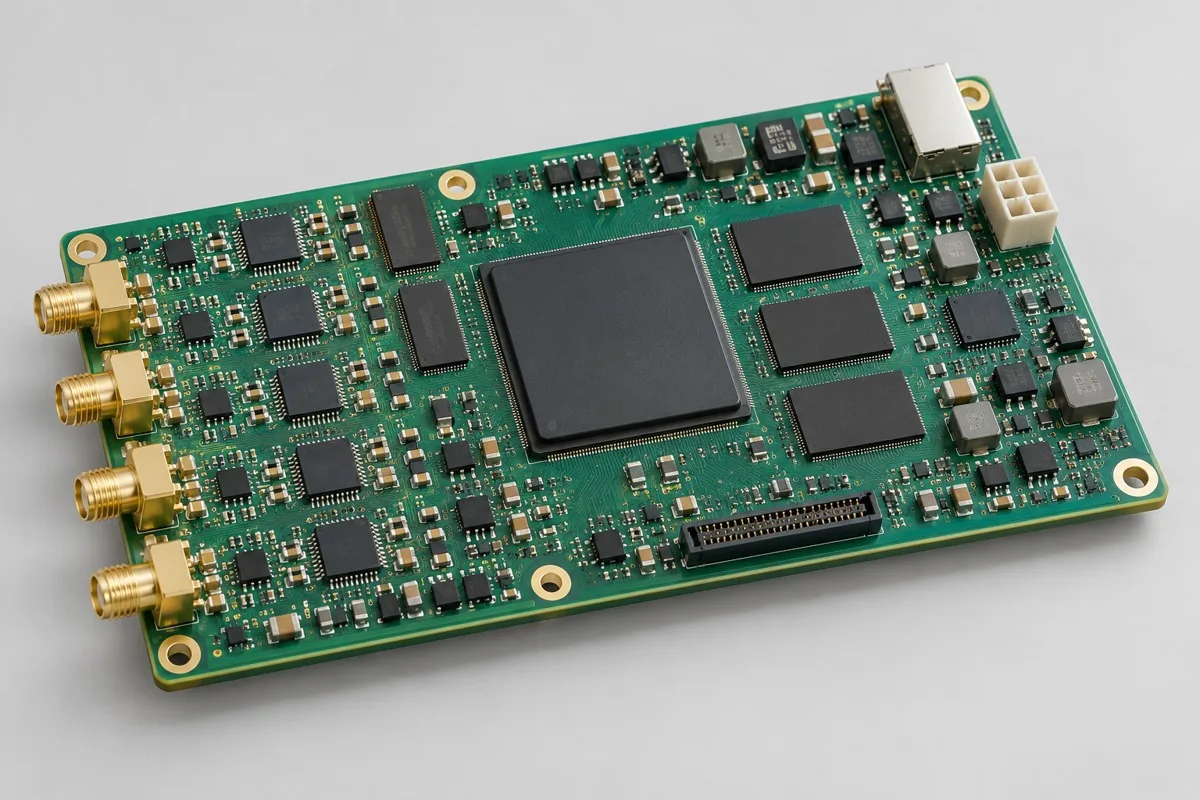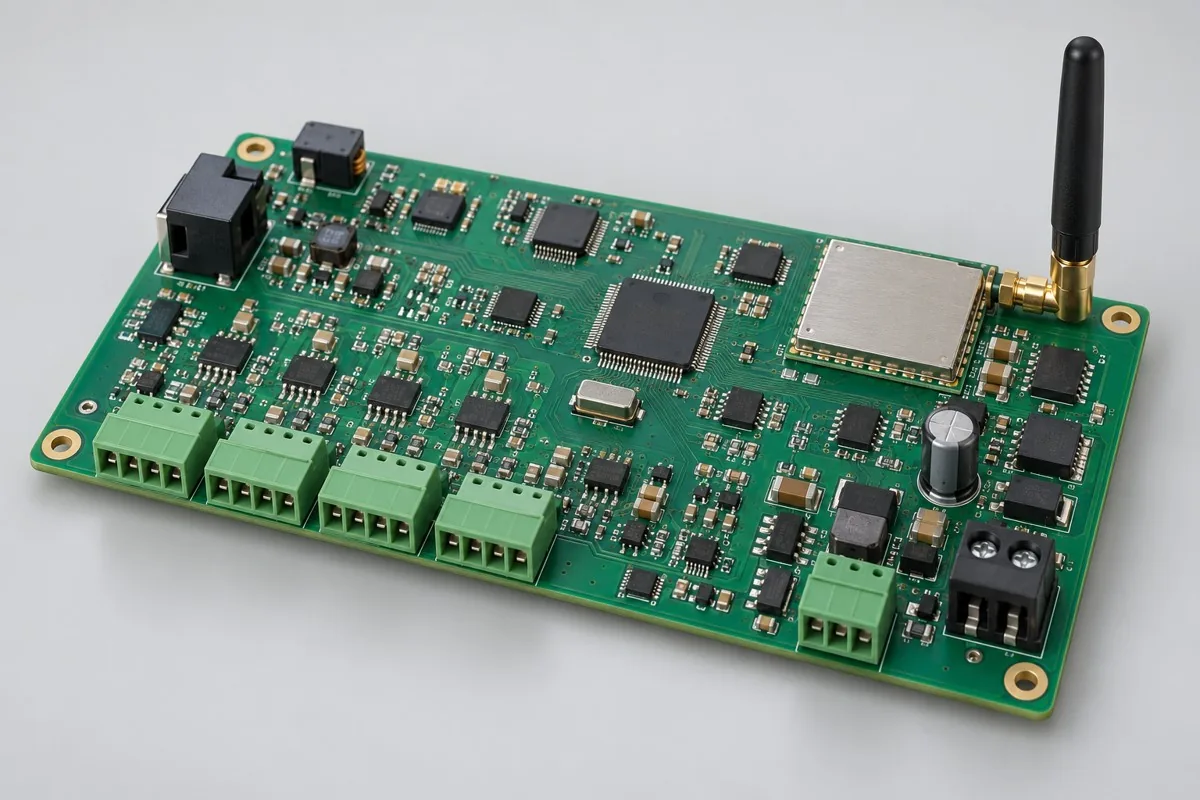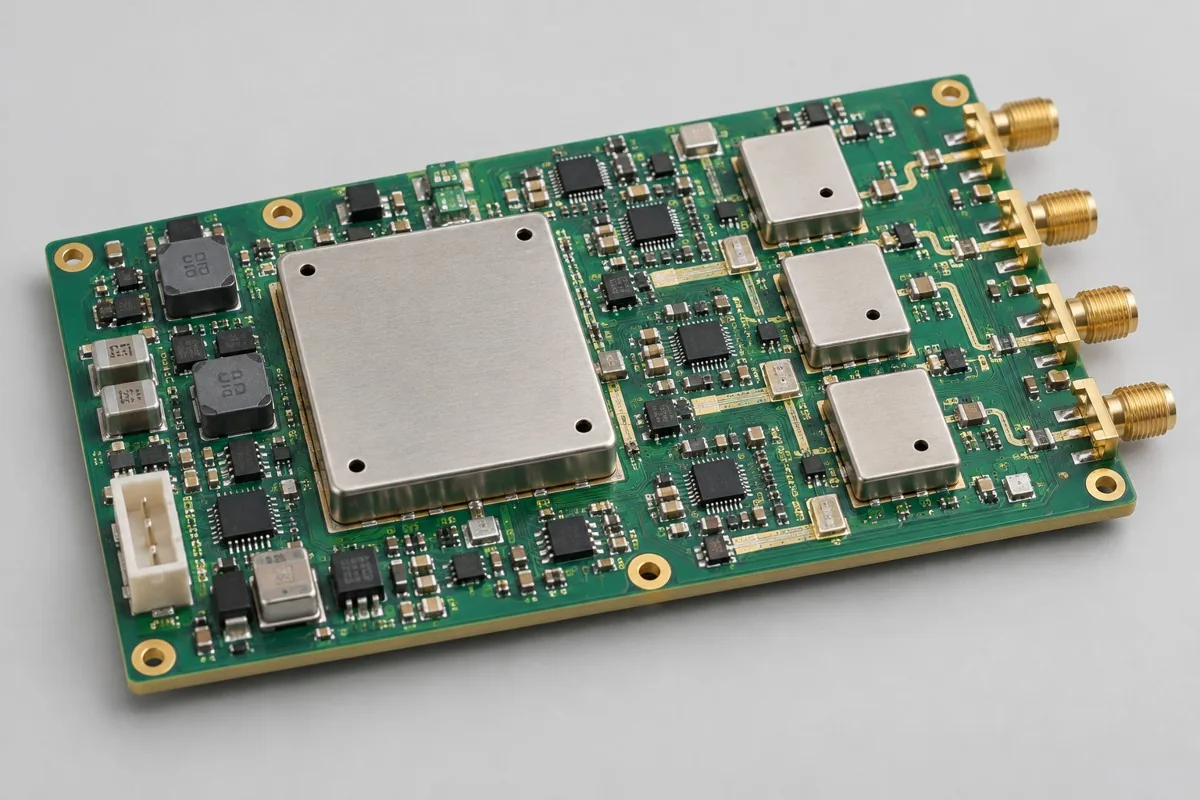
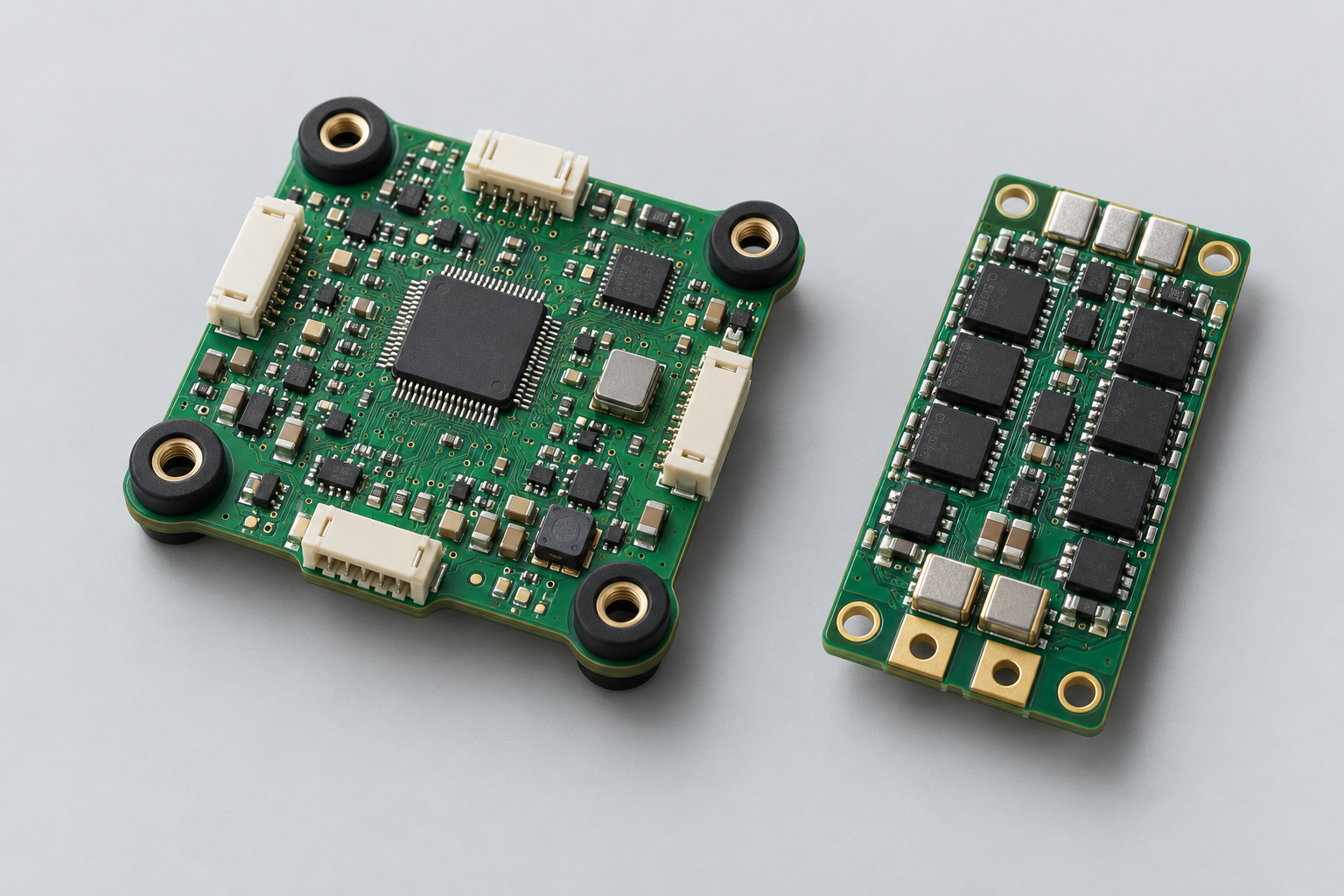
Drone Electronics
Define drone electronics requirements across control, sensing, communication and power. Coordinate mechanics, firmware and system validation.
Review Drone Electronics Manufacturing and Test PrioritiesExplore electronics requirements by application, from industrial control and IoT to medical and automotive projects. Define the manufacturing and test scope.
Define drone electronics requirements across control, sensing, communication and power. Coordinate mechanics, firmware and system validation.
Review Drone Electronics Manufacturing and Test PrioritiesDevelop smart-home board requirements for sensing, connectivity and control. Define power use, commissioning, recovery behavior and acceptance tests.
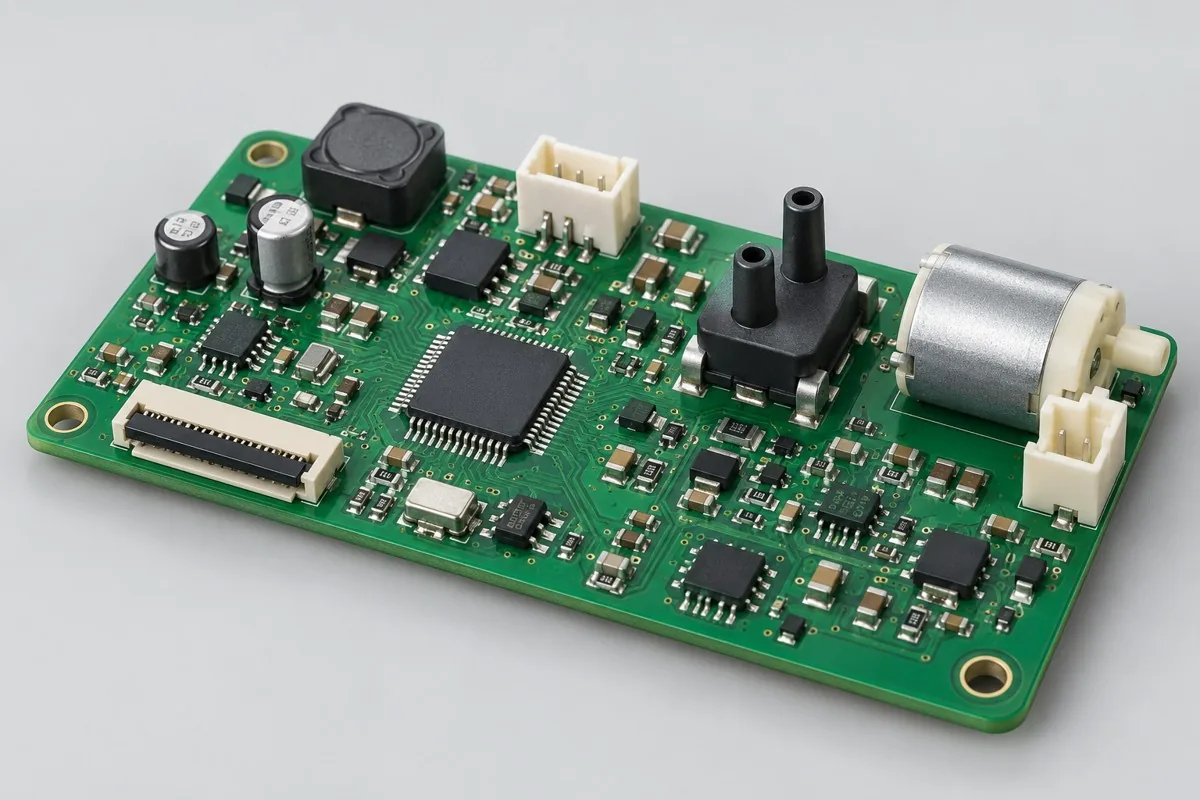
Review Smart Home Manufacturing and Test PrioritiesDefine medical electronics development and manufacturing requirements for sensing, control and isolation. Separate board tests from system approval.
Review Medical Electronics Manufacturing and Test PrioritiesPlan automotive electronics around power transients, communication, mechanical constraints and validation. Identify customer and site qualification needs.
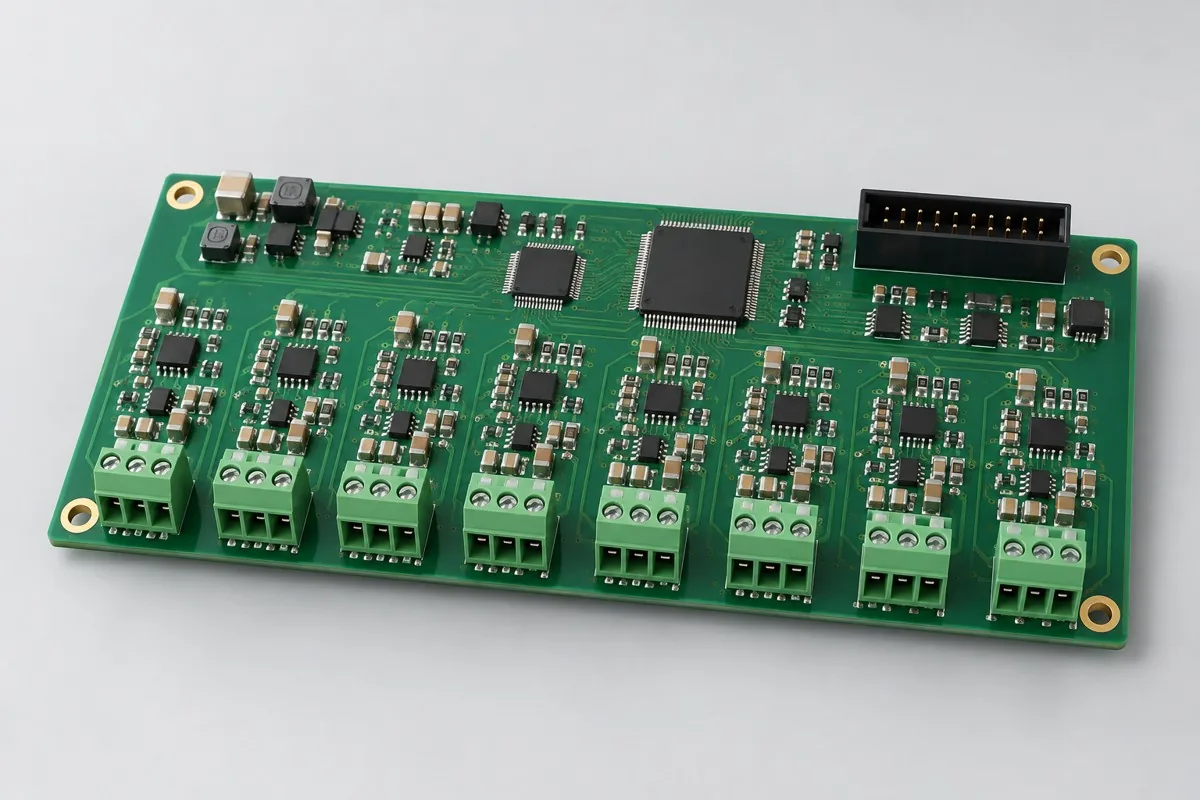
Review Automotive Electronics Manufacturing and Test PrioritiesPlan industrial-control electronics around field power, isolation, measurement and communication. Define fault handling and acceptance conditions.
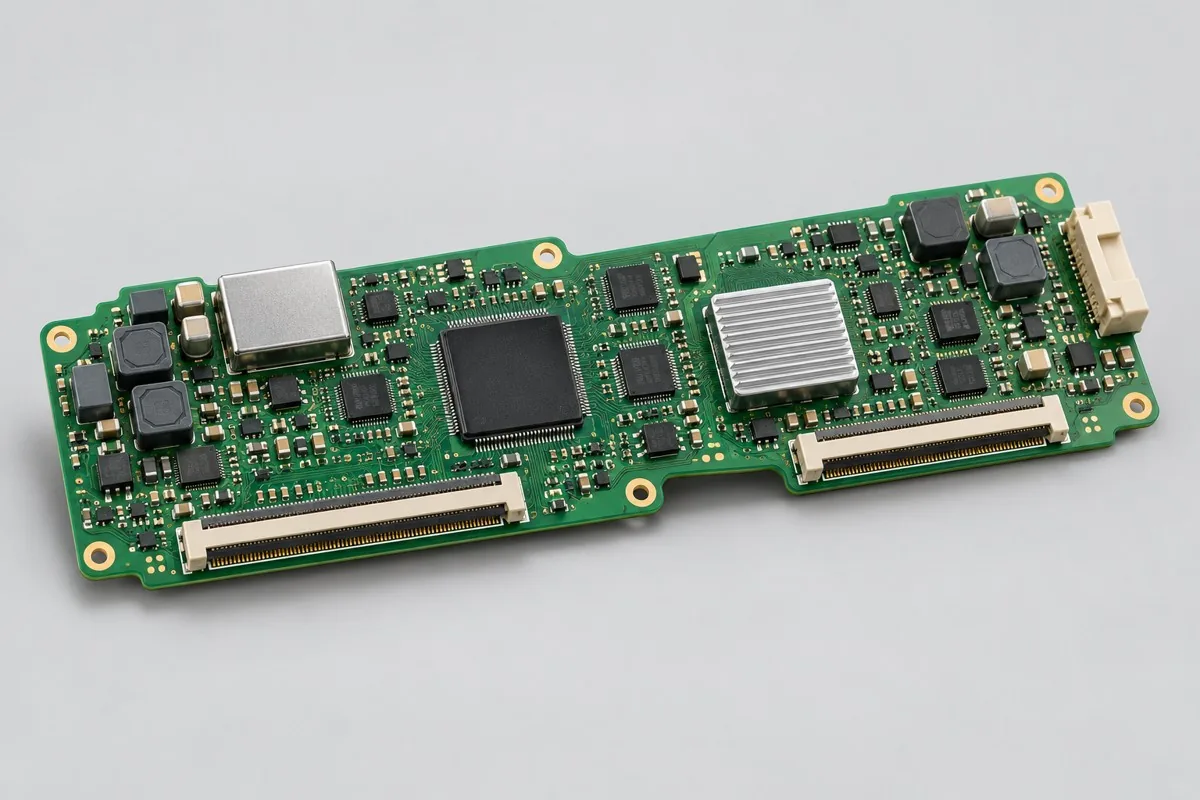
Review Industrial Control Manufacturing and Test PrioritiesDefine AI hardware requirements for processors, memory, cameras and power. Coordinate board interfaces, cooling and software validation responsibilities.
Review AI Hardware Manufacturing and Test PrioritiesPlan IoT electronics from sensing through communication and reporting. Define power budgets, network recovery, provisioning and test requirements.
Review IoT Devices Manufacturing and Test PrioritiesPlan telecommunications boards around Ethernet, wireless and high-speed interfaces. Define power, signal paths, software and acceptance tests.
Review Telecommunications Manufacturing and Test PrioritiesThe industry identifies the operating context, while manufacturing specifications still depend on materials, copper weight, hole structures, components, soldering, heat dissipation, and testing. The eight industry links above describe typical board-level products and assembly priorities. Choose the direction closest to your actual product to define bare PCB, assembly, and functional testing files.
Select materials, stackup, copper weight, and hole structures by frequency, power, dimensions, and routing density. Freeze the impedance table and special process drawings before quoting.
Define material supply, single-/double-sided assembly, SMT and through-hole routes, programming, and assembly scope. Plan first article and process verification by components and board type.
For new designs, check mechanical requirements, interfaces, and manufacturability first. Define responsibilities and reports separately for prototype performance, board-level outgoing tests, and complete product certification.
Application descriptions help identify engineering questions. For specific product parameters and process conditions, visit the relevant manufacturing category. New projects can begin with DFMA.
Engineering reference | QFN and SON assembly: thermal pads, printing, and solder joint verification: QFN/SON pad, stencil, and measured thermal process methods; not company capabilities.
Engineering reference | Packaging PCB fabrication files: units, layer order, and engineering notes: methods for PCB fabrication, hole layer spans, and file semantics.

Tell us the product use and which files are available. We can define the next engineering step even when the data package is not complete.