Turnkey PCB assembly with an explicit responsibility schedule
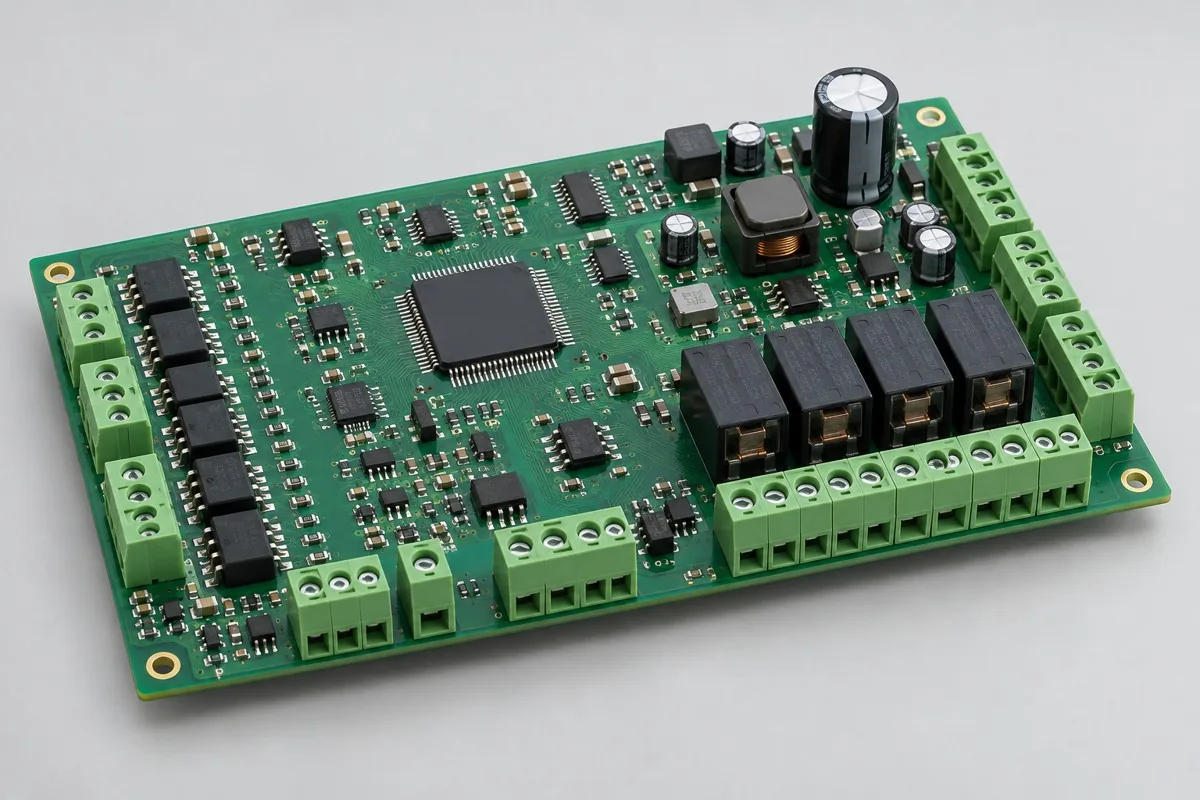
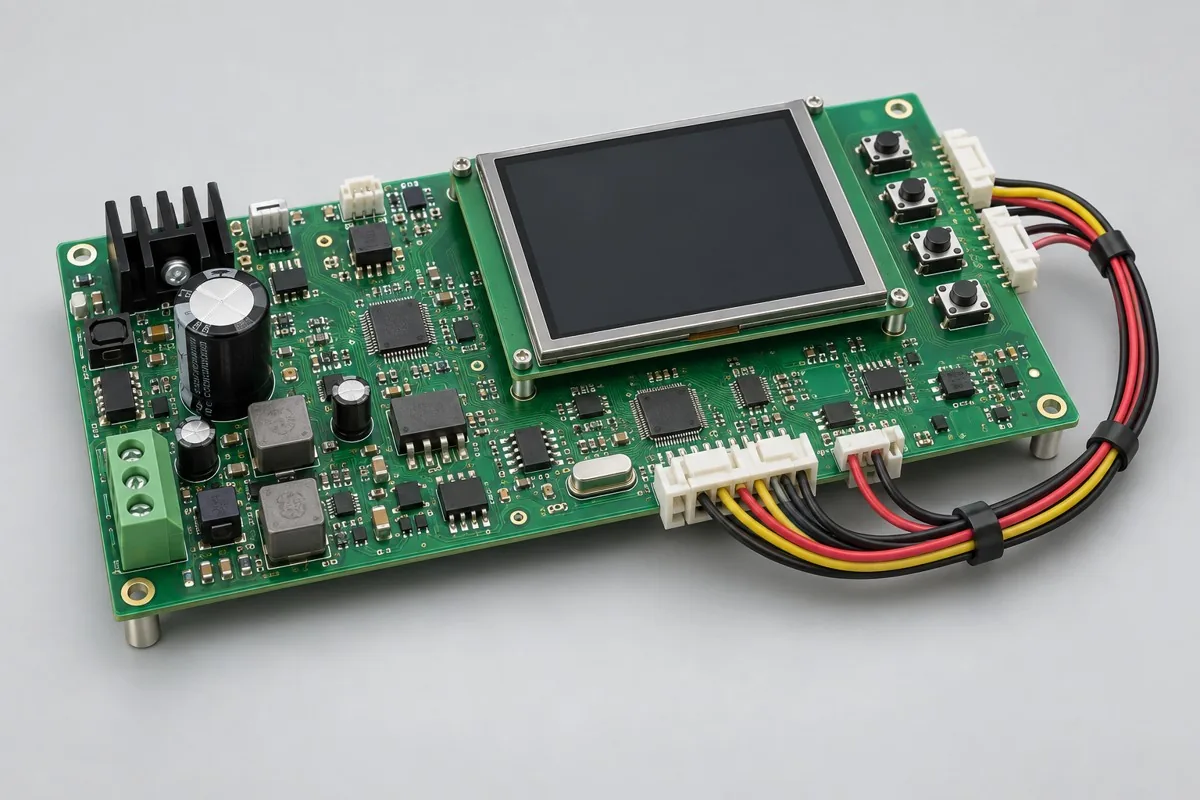
A turnkey PCB assembly order can coordinate bare-board fabrication, component procurement, SMT and through-hole assembly, inspection and agreed testing. The useful definition is the approved order scope: it identifies what is supplied, who approves changes and which records accompany delivery. Product design, firmware, certification, enclosures and freight are separate work items unless included.
| Work item | Record in the quotation | Customer decision |
|---|
| PCB fabrication | Released files, stackup, finish, quantity and acceptance requirements | Approve engineering clarifications and the final fabrication revision |
| Component sourcing | Manufacturer part numbers, authorized alternatives, buying quantities and lead-time assumptions | Approve substitutions, MOQ exposure and non-cancellable purchases |
| Assembly | Population variants, panel, processes, inspection and rework conditions | Confirm polarity, DNP positions and assembly exceptions |
| Programming and testing | Firmware identity, fixture ownership, limits and evidence | Provide or approve software, test procedure and pass/fail criteria |
| Delivery | Accepted quantity, packaging, destination and shipment responsibilities | Confirm whether freight, duties and taxes are included |
Full turnkey, partial turnkey or consigned material
If you supply a scarce IC and request procurement of the remaining BOM, mark ownership at line-item level. Check that the supplied part is the approved ordering code and has suitable packaging and handling records. A purchase order should explain who replenishes shortages and who owns surplus material; a general label such as “all materials included” leaves those questions unresolved.
The supply-model comparison shows the responsibilities to negotiate. The sourcing service explains the evidence needed for procurement and alternate approval.
From review to a repeatable delivery
Submit one controlled manufacturing package and identify the purpose of the first build. Resolve fabrication and assembly questions against that revision before committing material or production. Agree the first-article approval point, test coverage and treatment of failed units. After a design or material change, record which checks must be repeated and which approved files become obsolete.
For repeat orders, keep the released BOM, files, software and accepted exceptions together. A repeat order number alone does not prove that materials, firmware or assembly conditions are unchanged. Use the low-volume release checklist when moving to regular batches.
Compare total cost under the same assumptions
Separate one-time engineering, stencil or fixture charges from recurring board, material, assembly and test charges. Identify procurement MOQ, expected excess, repair authorization, packaging and logistics. Ask whether the denominator is boards started or accepted boards delivered. No unit rate is comparable until these inclusions and quantities match.
Use the PCB assembly cost worksheet and RFQ file checklist, then submit the current package. A project-specific quote confirms feasibility, price and milestones.