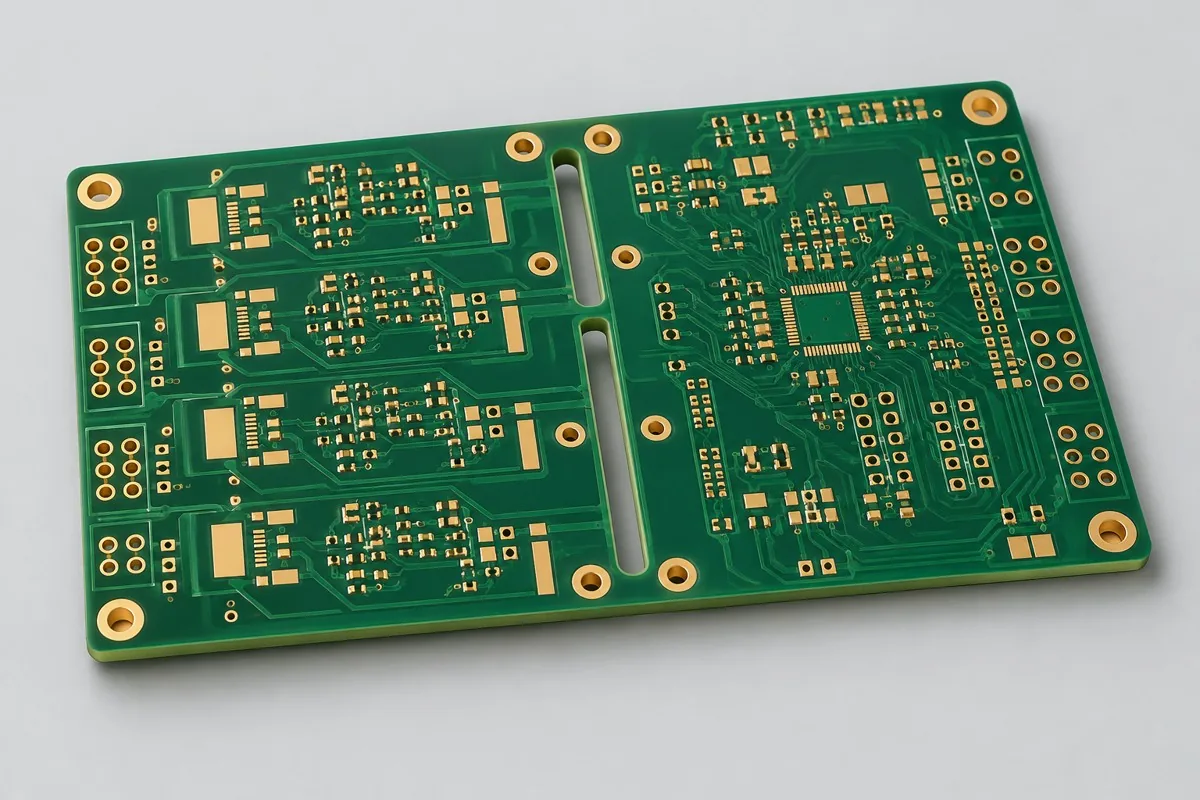
High-TG PCBs: material thermal processes and board selection
For high-TG PCB fabrication, provide material revisions, number of thermal cycles in manufacturing, and board structure. BMS and AR/VR retain historical TG170 configurations, while the 370HR isolation board is a reference. Compare sensing, connection density, and insulation boundaries for procurement; deliver batch and hole-wall copper records. Tg does not indicate long-term operating temperature.
Thermal Process Must Be Reviewed Beyond TG
Submit the number of reflow/subsequent soldering passes, board thickness, and large copper areas to define the material revision and thermal-process verification for this order. Record historical TG grades, typical laminate values, and complete-board long-term operating temperature separately.
High-TG fabrication: material and thermal-process inputs
After selecting a product in this category, submit material revision, reflow count, large-copper distribution, board thickness, and insulation boundaries. Match each change to the Engineering Reference Configuration, using the same revision for fabrication drawings, inspection locations, and material approvals; define specialized verification and report scope before quotation.
Back to all PCB products · Manufacturing file knowledge
Material and Process Reference
Consult selected PCB configuration
What is the difference between high-TG FR4 and standard FR4?
TG is a material glass-transition indicator, not a long-term operating temperature. Choosing high-TG versus standard FR4 also requires thermal expansion, decomposition, moisture absorption, and actual soldering conditions; TG alone cannot rank quality.
How should materials for BMS and multilayer interface boards be selected according to thermal processes?
BMS boards, AR/VR multilayer boards, and the 370HR reference have different uses. Determine actual thermal processes and structures before choosing materials, avoiding higher material costs that fail to resolve via or heat-path issues.
High-TG PCB pricing and selection FAQ
How much does high-TG PCB prototyping cost? Is higher TG always better
A project-specific quotation requires review of the available files, quantity, materials, requested tests, delivery destination, taxes, shipping, and trade terms. Add specified materials, processes, and inspections not yet included to the total cost. Standard board references do not cover every configuration of this product. Any formula on this page organizes cost inputs; it is not a quoted rate.View cost items, calculation conditions, and sources.
How should I compare quotations from high-TG PCB manufacturers?
Check grade and thermal properties first, then stackup, holes, and reports. TG is not long-term operating temperature; high-TG quotes should match actual thermal-process needs, rather than using a higher number to judge quality or justify more expensive materials.
Can a high TG value be used as the long-term operating-temperature limit?
TG is a material-transition indicator, not a continuous-use temperature. Select using actual thermal processes and complete material data; long-term environments require separate project verification.
Does selecting high TG for multiple reflow passes eliminate hole-structure checks?
Thermal expansion, holes, stackup, and cumulative heat exposure still require combined review. A material name cannot replace structural-stability checks; agree report scope for the current revision.
If a customer specifies 370HR, can I quote generic high-TG material instead?
Confirm whether the specified grade is mandatory, and separately list and approve conditions for candidate materials. A generic high-TG label cannot establish an equivalent-material quotation.
What must be rechecked when changing PP as high-TG prototypes move to production?
Check the material combination, dielectric thickness, and thermal/manufacturing conditions, and update the stackup and related nets. Previous sample verification supports only the original combination; quote material-change impacts and retesting separately.
Consult high-TG PCB quotation: describe the application, existing configuration, and expected quantity so we can discuss bare-board fabrication requirements, inspection, and delivery conditions.
How much does high-TG PCB prototyping cost? Is higher TG always better
Quotes should separately account for the specified FR4 grade, layer count and thermal-related stackup, hole structure and fabrication, and thermal-process or microsection inspections. List initial-order setup charges separately from per-batch and per-board charges; for equal quantities, also align revisions, delivery configurations, and tax and freight terms to identify whether price differences reflect configurations or excluded work.
Quotation terms depend on the approved files, quantity, material supply, tests and delivery requirements.
Prepare a structured RFQ or use the short inquiry form.