Hybrid-material PCB fabrication: layer-by-layer materials and lamination combinations
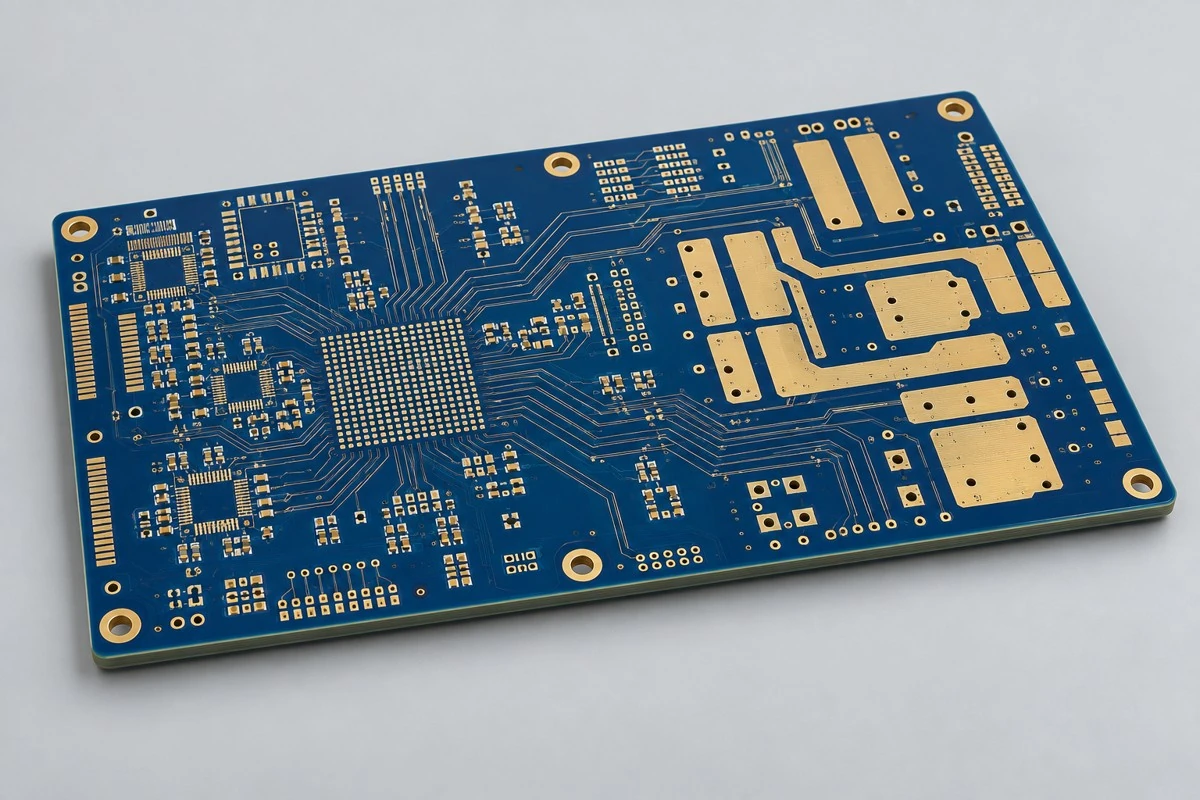
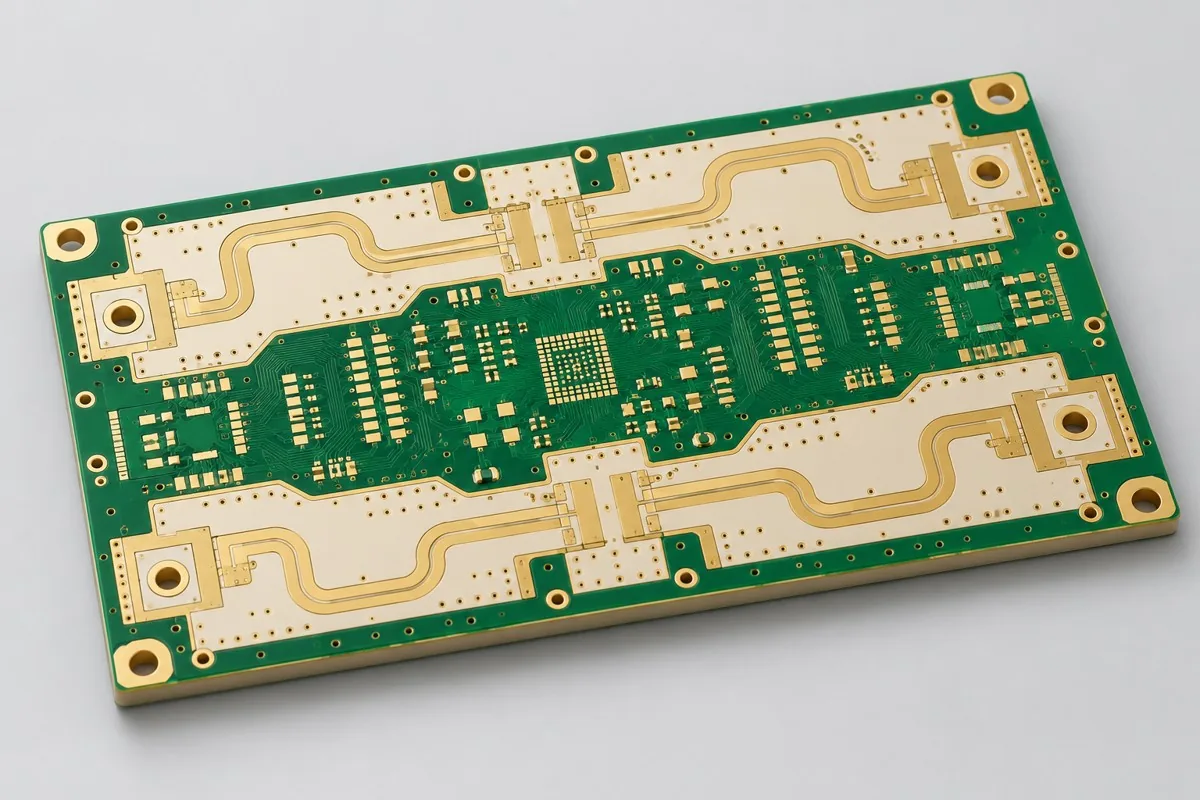
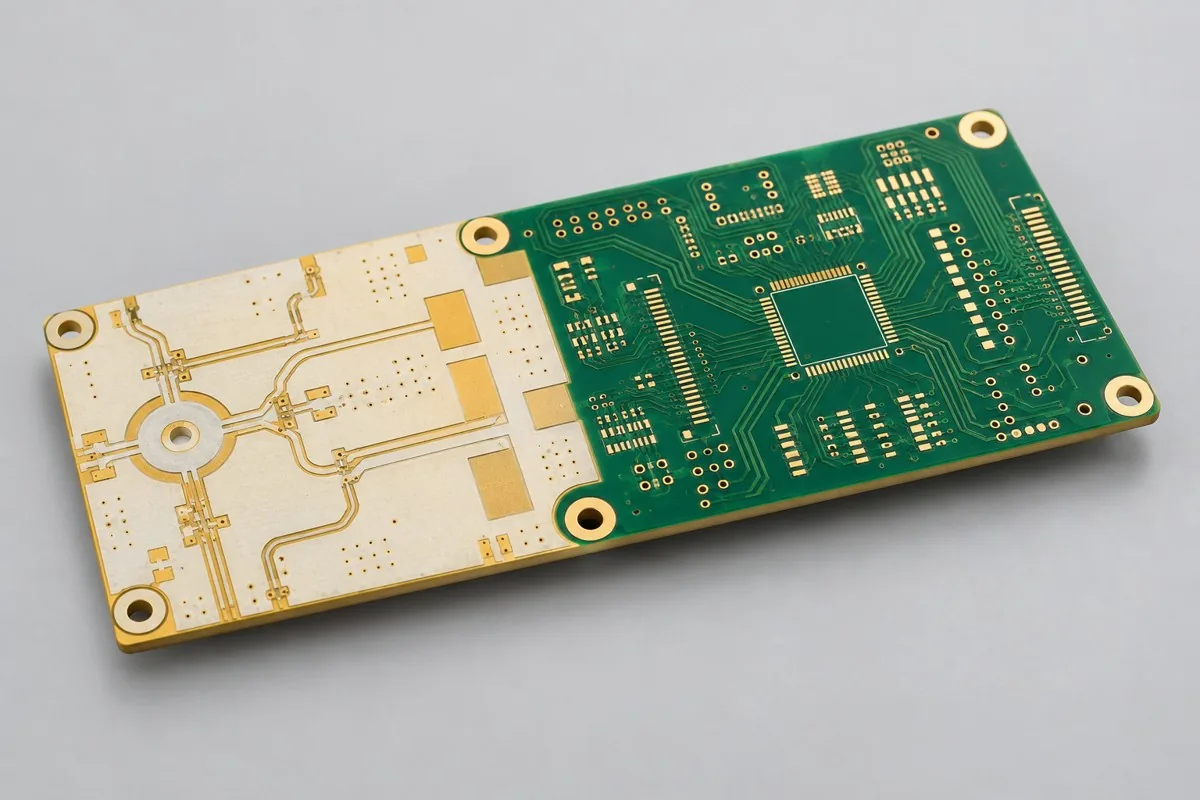
For hybrid-material PCB procurement, list cores, bonding sheets, and copper weight by RF, digital, and power-layer roles, comparing single-RF-side and dual-RF-side constructions with mixed signal and heavy-copper power structures. For quotation, evaluate material compatibility and lamination symmetry before approving Layer Stackup and interface inspection; reference combinations do not directly establish volume-production capability.
Mixed lamination material combination approved first
Quotation inputs must list cores, bonding sheets, layer-by-layer dielectric thickness, copper weight, and via spans. Check the material system and lamination symmetry before comparing layer count and cost; cores of the same grade do not automatically ensure identical results with different bonding sheets.
Material and Process Reference
Consult selected PCB configuration
How do hybrid-material PCBs differ from all-Rogers PCBs?
Using specialty materials only on required layers may reduce their consumption but adds stackup and lamination coordination. Total-price reduction depends on material layer count, dimensions, and manufacturing route; it cannot be estimated from the Rogers area difference alone.
How should RF layers and reference planes be selected for six-, eight-, and ten-layer hybrid boards?
For RF hybrid boards, define RF paths, reference planes, and connections to digital layers first; for high-speed hybrid boards, define high-speed signal layers, power layers, and material models first. Compare this category's six- and eight-layer RF structures separately from its ten-layer high-speed structure; materials cannot be interchanged based only on total layer count. Added layers should serve routing or reference-plane needs, with material, lamination, and drilling costs also checked.
Hybrid-material PCB pricing and selection FAQ
How are hybrid-material PCB prices calculated? Are they cheaper than all-Rogers boards
A project-specific quotation requires review of the available files, quantity, materials, requested tests, delivery destination, taxes, shipping, and trade terms. Add any specified processes and tests not yet included to the batch budget; these prices do not apply to other materials or layer sequences. Any formula on this page organizes cost inputs; it is not a quoted rate.View cost items, calculation conditions, and sources.
How should I compare quotations from hybrid-material PCB manufacturers?
Check every layer's material, bonding, and lamination route, including RF-to-digital transitions. Total prices are comparable only when all-Rogers and hybrid builds satisfy the same network targets; subtracting specialty-material area does not directly establish savings.
Is specifying Rogers plus FR4 enough to quote a hybrid board?
Provide grade, dielectric thickness, copper foil, and bonding layers for each layer, linked to via layer pairs and lamination. Equal-layer-count boards with different combinations cannot be compared by name alone.
Does reducing specialty-material area always lower the total price?
Lamination combinations, interlayer transitions, holes, and specialized inspections must also be included. Compare complete routes that meet the same network targets; material-area savings are not the final cost.
What must be reconfirmed when an RF layer changes position?
Check reference planes, via transitions, return paths, and digital coupling, and update the stackup and related inspections. The structure may change even if materials do not; old models and reports cannot be reused directly.
After a hybrid-board first sample passes, can the bonding material change on a repeat order?
Bonding layers affect the actual structure and fabrication compatibility; approve impacts and verification before updating the manufacturing package. First-sample results support only its actual material combination.
Consult mixed lamination PCB quotation: describe the application, existing configuration, and expected quantity so we can discuss bare-board fabrication requirements, inspection, and delivery conditions.
Hybrid-material PCB quotations: layer-by-layer materials and lamination conditions
After selecting a product in this category, submit layer-by-layer cores, bonding sheets, copper weight, via spans, and symmetric structure. Match each change to the Engineering Reference Configuration, using the same revision for fabrication drawings, inspection locations, and material approvals; define specialized verification and report scope before quotation.
Adjacent direction:High-frequency material and band products · Functionally layered mixed lamination product · Custom Rogers structure products · RF functional products
How are hybrid-material PCB prices calculated? Are they cheaper than all-Rogers boards
Quotes should separately account for RF-layer and standard-layer materials, bonding materials and lamination combinations, layer count, vias and interlayer transitions, stackup verification, and specialized inspections. List initial-order setup charges separately from per-batch and per-board charges; for equal quantities, also align revisions, delivery configurations, and tax and freight terms to identify whether price differences reflect configurations or excluded work.
Quotation terms depend on the approved files, quantity, material supply, tests and delivery requirements.
Prepare a structured RFQ or use the short inquiry form.