
TOPIC FOCUS
Build one controlled fabrication package
Use consistent revision identifiers across artwork, drills, drawings, stackup notes, panel requirements, and acceptance records before quotation or release.
PCB fabrication planning works best when the Gerber or ODB++ package, drill files, stackup, material callouts, surface finish, quantities, and acceptance evidence all identify the same released revision.
Use consistent revision identifiers across artwork, drills, drawings, stackup notes, panel requirements, and acceptance records before quotation or release.
A complete file package supports review but does not prove that every requested material, tolerance, finish, and delivery condition can be combined. Feasibility remains project-specific.
Use this topic-specific checklist with the linked engineering reference. Record the actual project conditions and the agreed acceptance scope.
| Decision | Input to confirm | Record to retain |
|---|---|---|
| Fabrication data | Released artwork, drill files and drawing | One revision across files and notes |
| Construction | Layer functions, material grades, copper and finish | Stackup and approved alternatives |
| Acceptance | Quantity unit, panel handling and inspection scope | Named test and release records |
These records provide context for the topic. They do not replace review of the current files, materials, quantities, tests, or acceptance conditions.
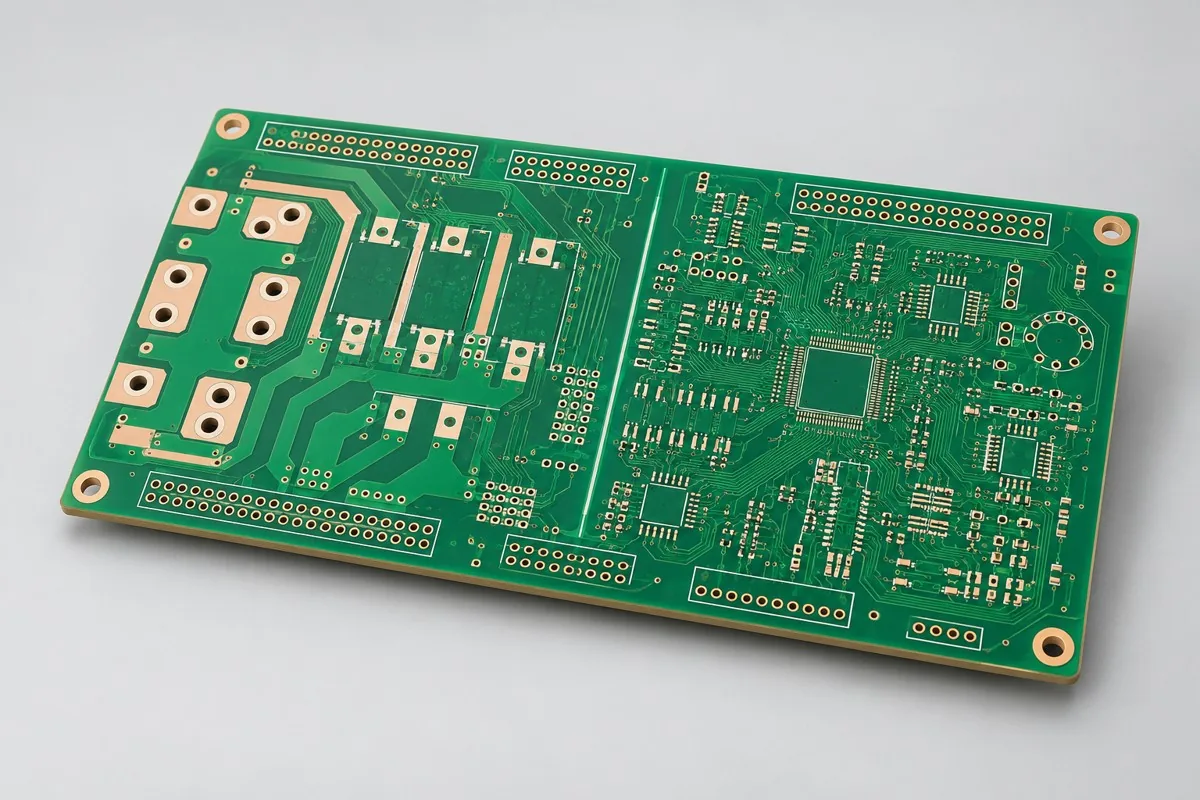
Six-layer inverter control boards: review power and sensing nets, terminal holes, isolation slots, and copper inspection. All values are illustrative; approve fabrication drawings and acceptance criteria before ordering. Assembly and system verification require separate scope.
A fabrication example for reviewing board data, material callouts, and release conditions together.View Configuration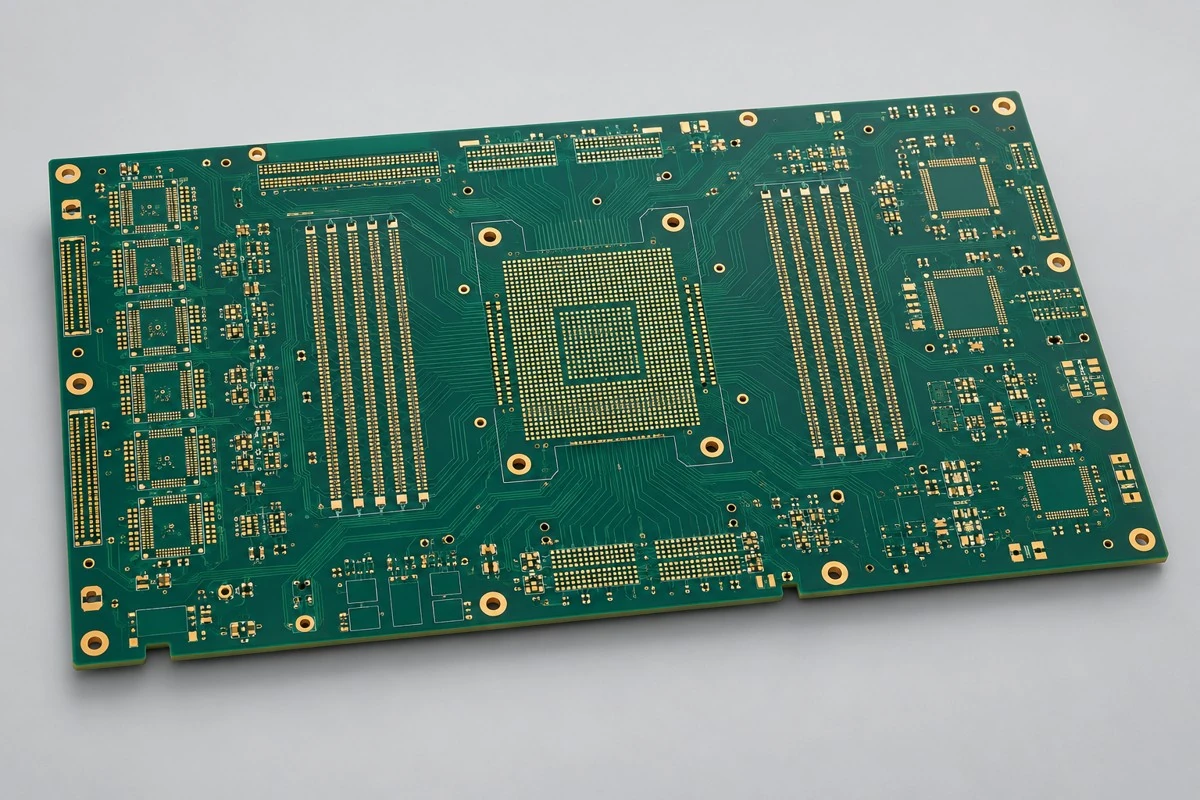
Review a twelve-layer low-loss PCB with backdrilled high-speed vias. Define entry sides, retained layers, protected copper, and measurable residual-stub targets alongside impedance and link-verification scope.
A multilayer example that makes stackup, drill, and high-speed data alignment visible.View Configuration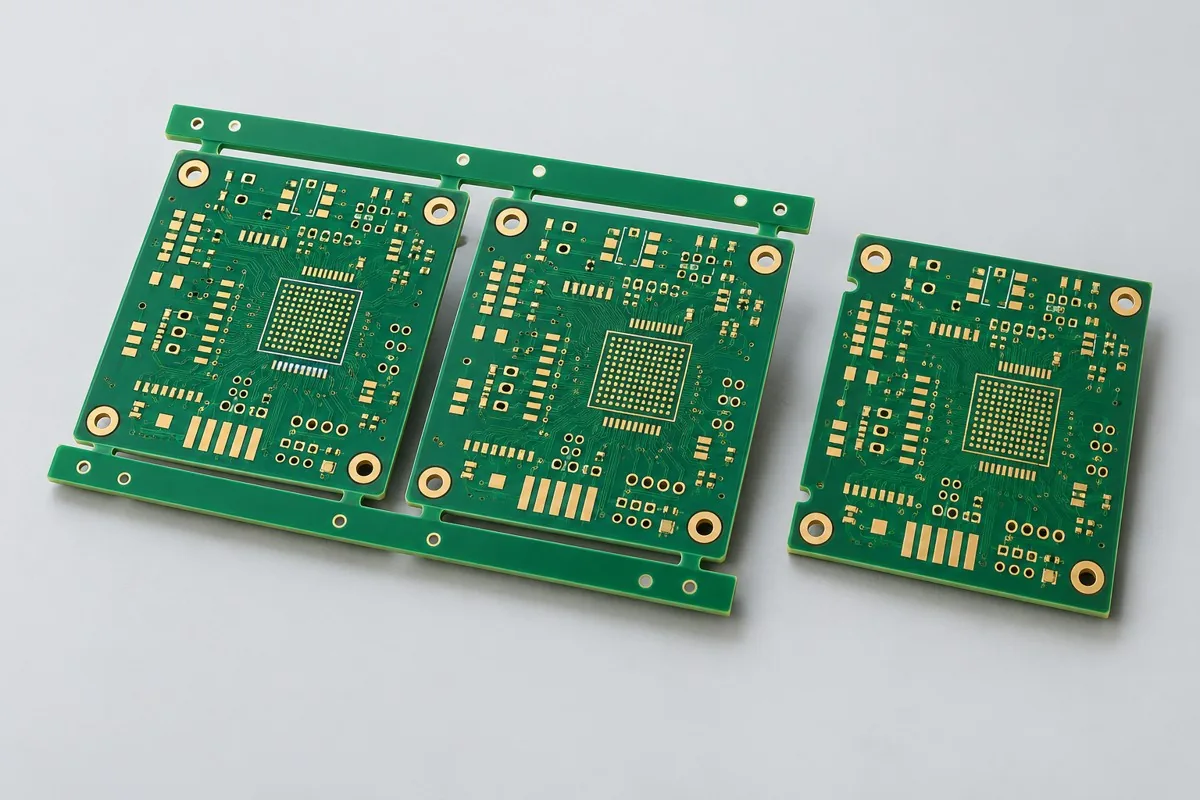
Four-layer functional prototypes: review verification objectives, Gerber revisions, sample variants, and production change records. All values are illustrative; approve fabrication drawings and acceptance criteria before ordering. Assembly and system verification require separate scope.
A prototype reference for checking fabrication inputs before a limited build.View Configuration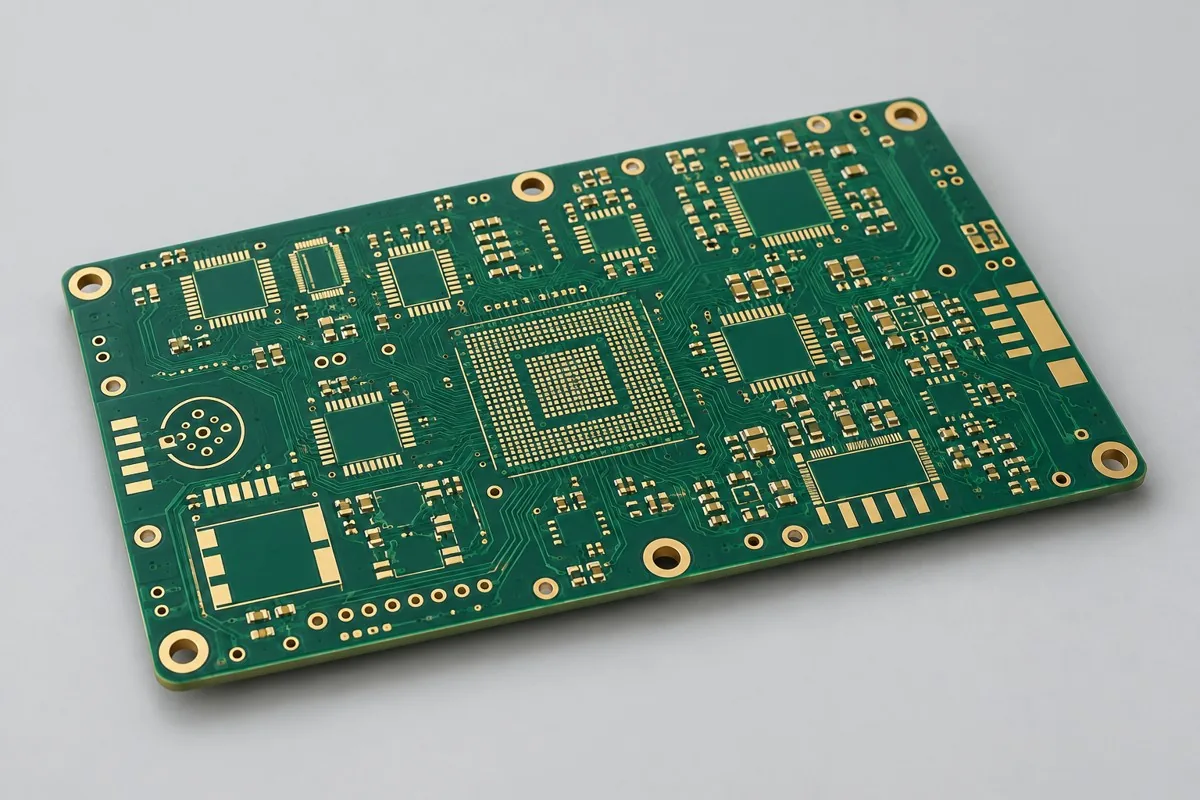
Review thin six-layer 1-4-1 HDI PCB prototyping for compact sensor modules. Define via-layer pairs, filling and pad-flatness requirements, finished copper, panel support, thickness, and warpage acceptance.
An HDI reference where build-up structure and hole data must be coordinated.View Configuration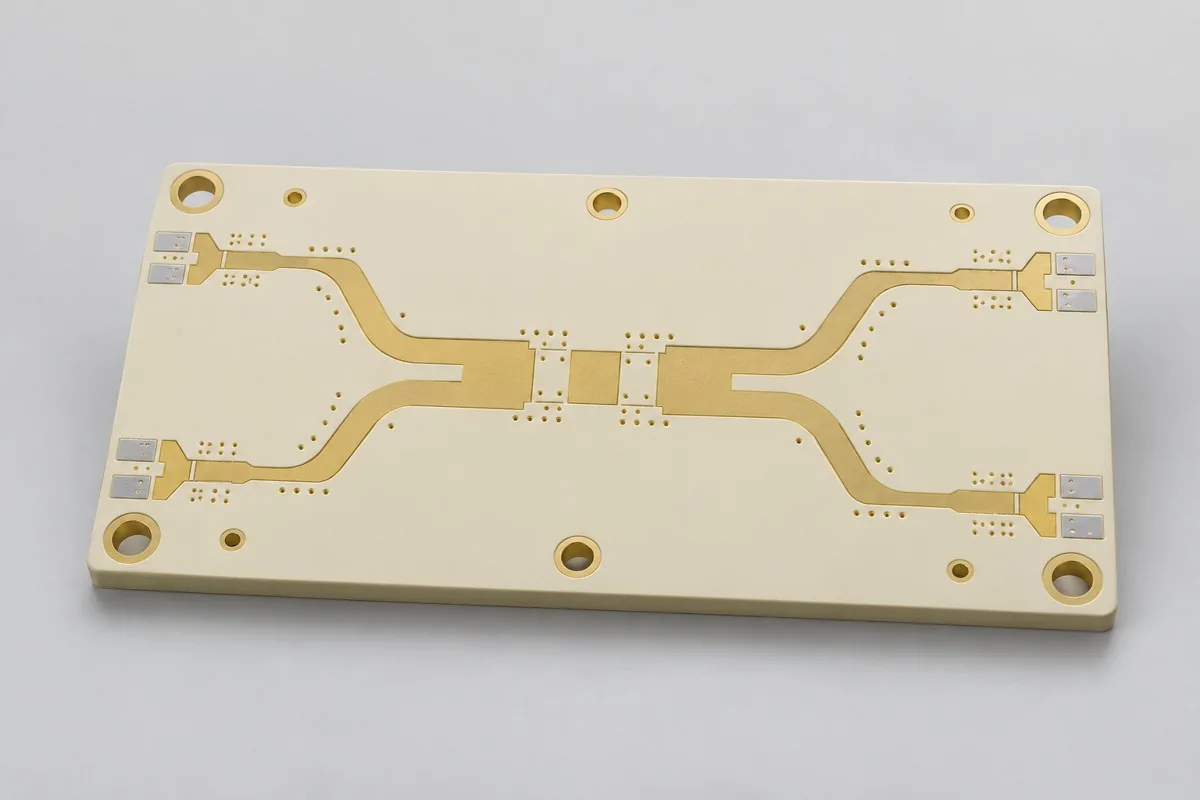
RO4350B high-frequency PCB fabrication reviews materials, structures, and delivery scope against connectors, ports, and exposed-copper RF regions. It provides cost breakdowns, one-time preparation and same-revision repeat-order boundaries, configuration-selection steps, and quotation conversion methods. Specifications follow approved fabrication drawings; component assembly and complete-unit validation are agreed separately.
A high-frequency reference where exact laminate identity and stackup context matter.View ConfigurationUse this reference to check the essential inputs, then continue to the articles for specific methods and exceptions.
Deliver manufacturing files as complete revision packages, with shared units/revisions across graphics, drilling, stackup, and notes. Based on Ucamco's transfer guide, this article provides directory examples, receiving checks, coordinate-ratio checks, and old/new attachment conflict handling for traceable engineering closure.
Read Topic ReferenceFive articles are shown per page, newest first. Page 2 of 3.
Compare related decisions. Browse all engineering topics
Share the available fabrication files, BOM, drawings, quantities, target schedule, test scope, and acceptance requirements. The response will be based on the actual project conditions.

Tell us the product use and which files are available. We can define the next engineering step even when the data package is not complete.