
TOPIC FOCUS
Define responsibility before material release
Separate supplier responsibility, customer-supplied material, shortages, substitutions, nonconformance handling, inspection points, test evidence, and disposition authority.
A procurement and acceptance plan should state consigned versus turnkey responsibility, approved sources, incoming controls, outgoing sample size, test coverage, required records, and final approval authority.
Separate supplier responsibility, customer-supplied material, shortages, substitutions, nonconformance handling, inspection points, test evidence, and disposition authority.
A general inspection statement is not an acceptance plan. Sample size, method, limits, test conditions, records, deviation handling, and release authority must be agreed for the order.
Use this topic-specific checklist with the linked engineering reference. Record the actual project conditions and the agreed acceptance scope.
| Decision | Input to confirm | Record to retain |
|---|---|---|
| Responsibility | Turnkey versus consigned material and shortages | Supply ownership table |
| Inspection | Incoming and outgoing sample and limits | Acceptance plan with methods |
| Disposition | Deviation, retest and release authority | Signed decision and retained record |
These records provide context for the topic. They do not replace review of the current files, materials, quantities, tests, or acceptance conditions.
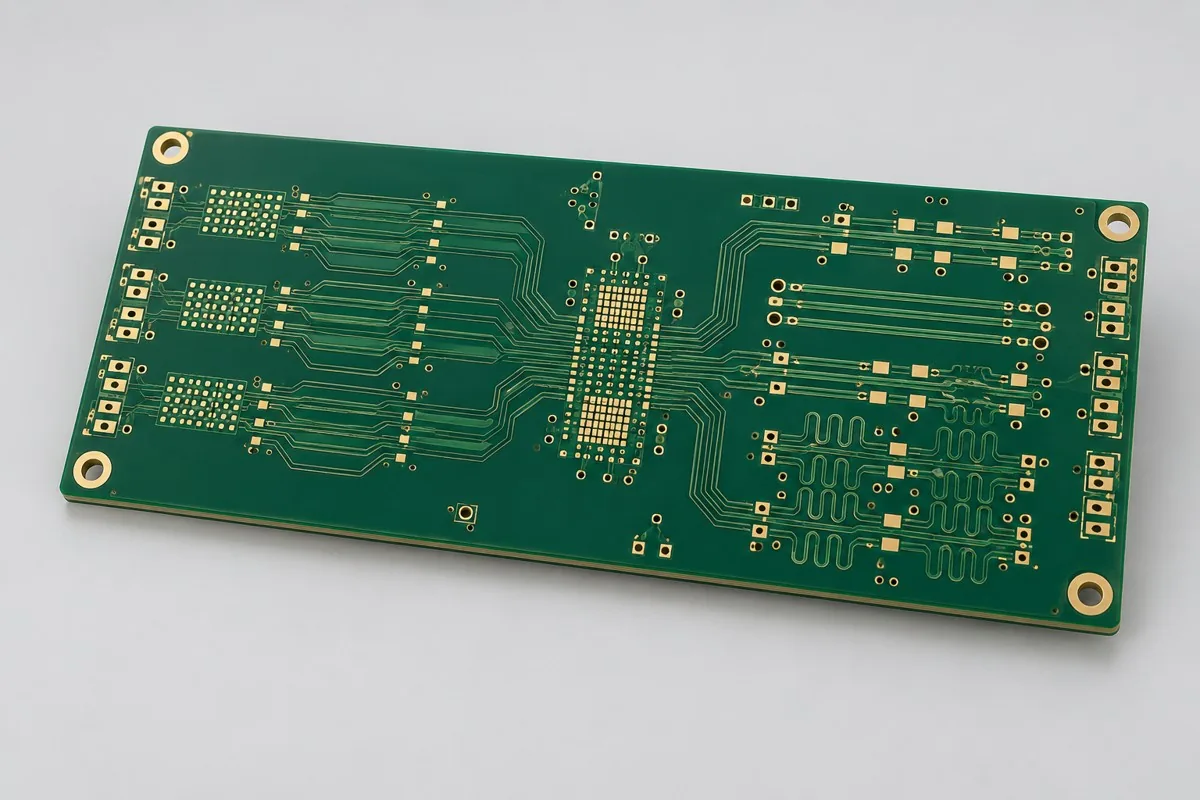
Six-layer impedance prototypes: review target nets, representative coupons, measured stackups, and raw TDR records. All values are illustrative; approve fabrication drawings and acceptance criteria before ordering. Assembly and system verification require separate scope.
A prototype-board reference for connecting fabrication evidence to receiving acceptance.View Configuration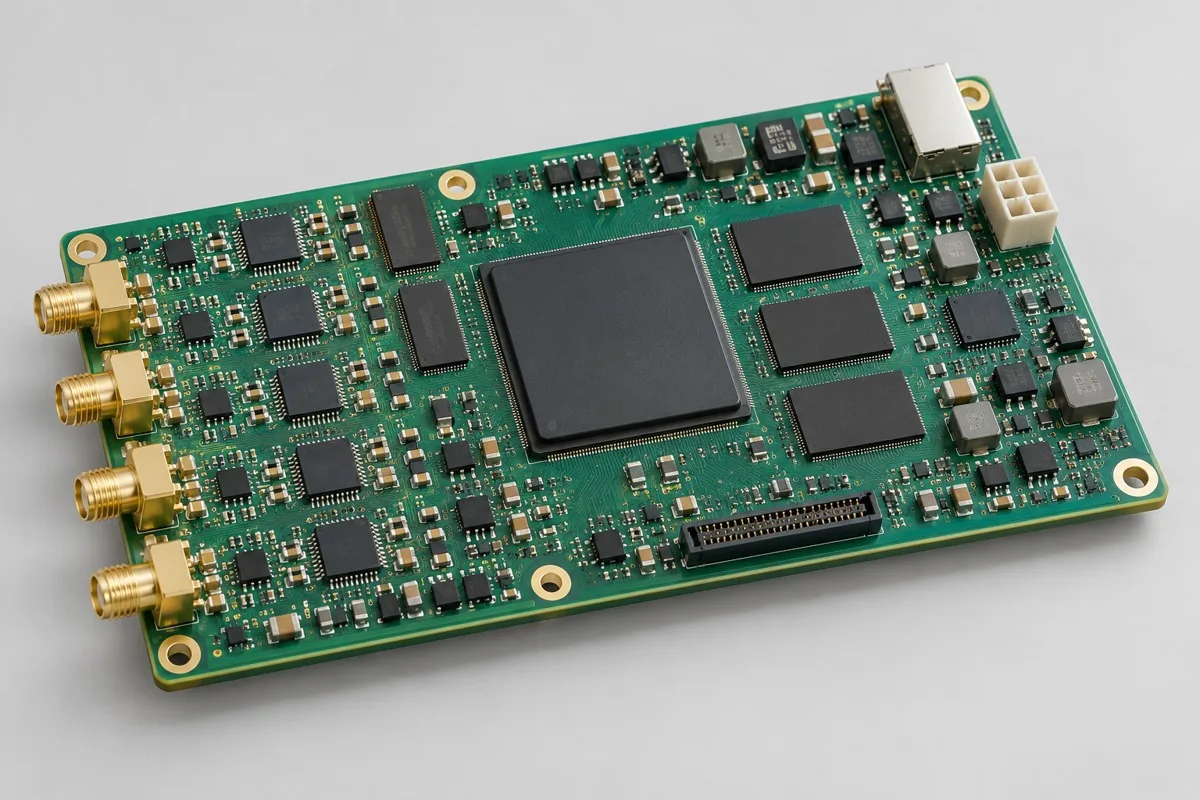
FPGA data acquisition boards support multichannel acquisition and data output. Review pricing against actual layer structures, FPGA/ADC sourcing, double-sided placement, bitstream programming, and acquisition tests; compare channel/interface configurations and define fixture and acquisition-software deliverables.
An assembled-board reference for defining inspection and functional-test deliverables.View Configuration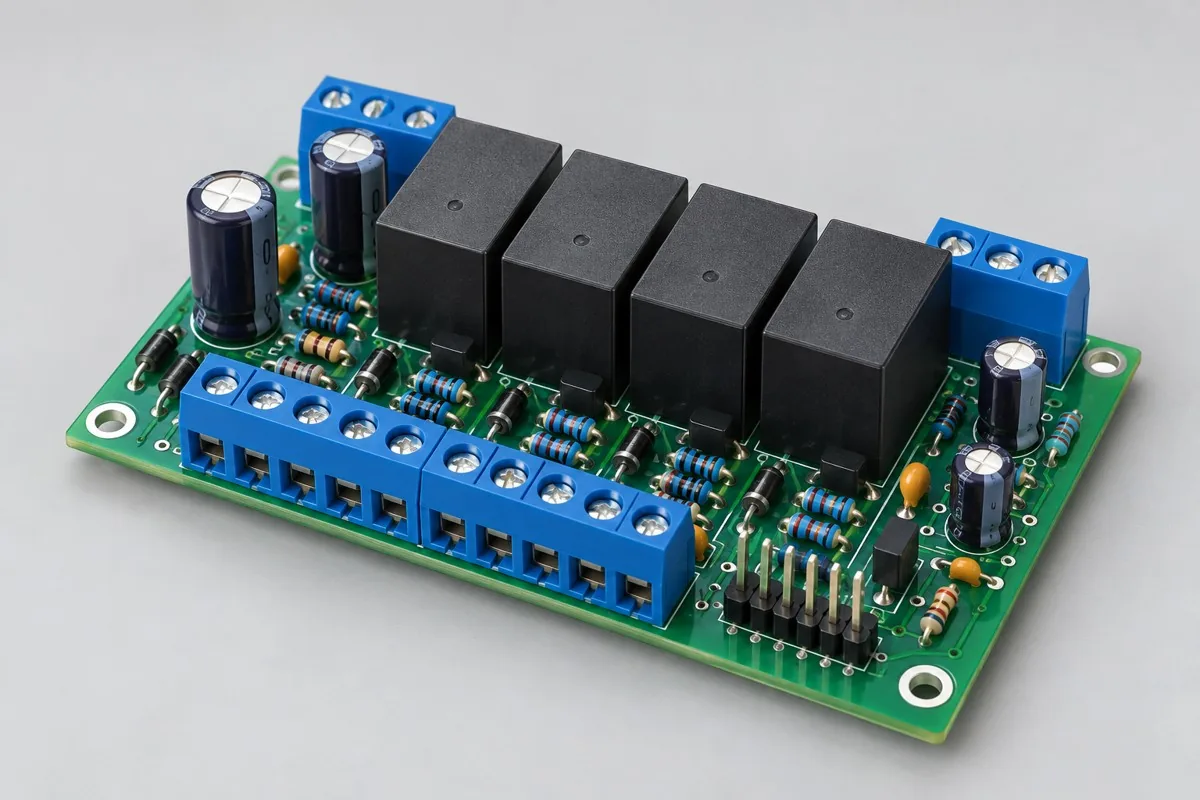
Relay control board through-hole assembly pricing depends on relays, terminals, control interfaces, and load conditions. Compare insertion, soldering, fastening, programming, and actuation-test scope; distinguish board-level checks from external-load verification, and check material supply and lot records.
A relay-control assembly reference for specifying workmanship and test evidence.View Configuration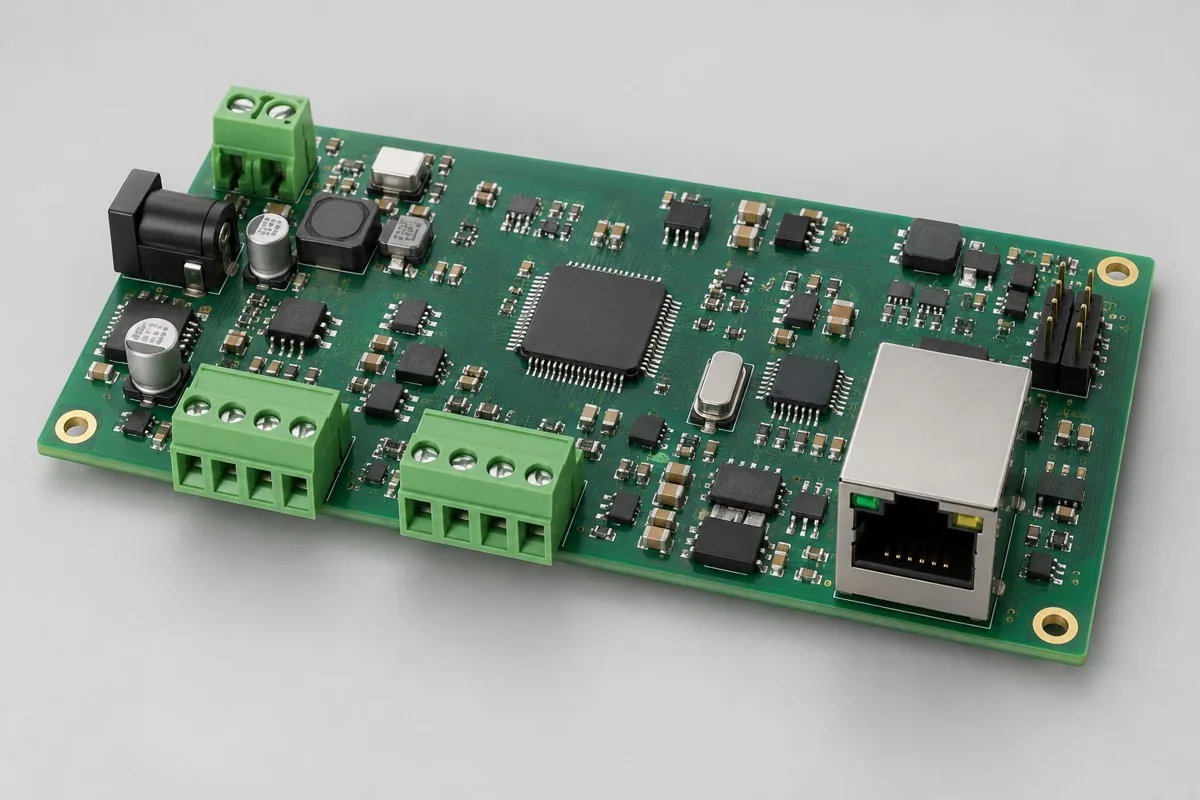
Communication interface prototype PCB assembly reference configurations cover serial/bus/network interface verification. Separate SMT, interface post-soldering, test software, and protocol integration testing; compare material supply, setup, and per-lot assembly costs. Check loops, packets, error injection, and power-loss/disconnection recovery scope, plus samples + packets/waveforms + issue/revision-list deliverables.
A prototype PCBA reference for agreeing sample, approval, and next-build decisions.View Configuration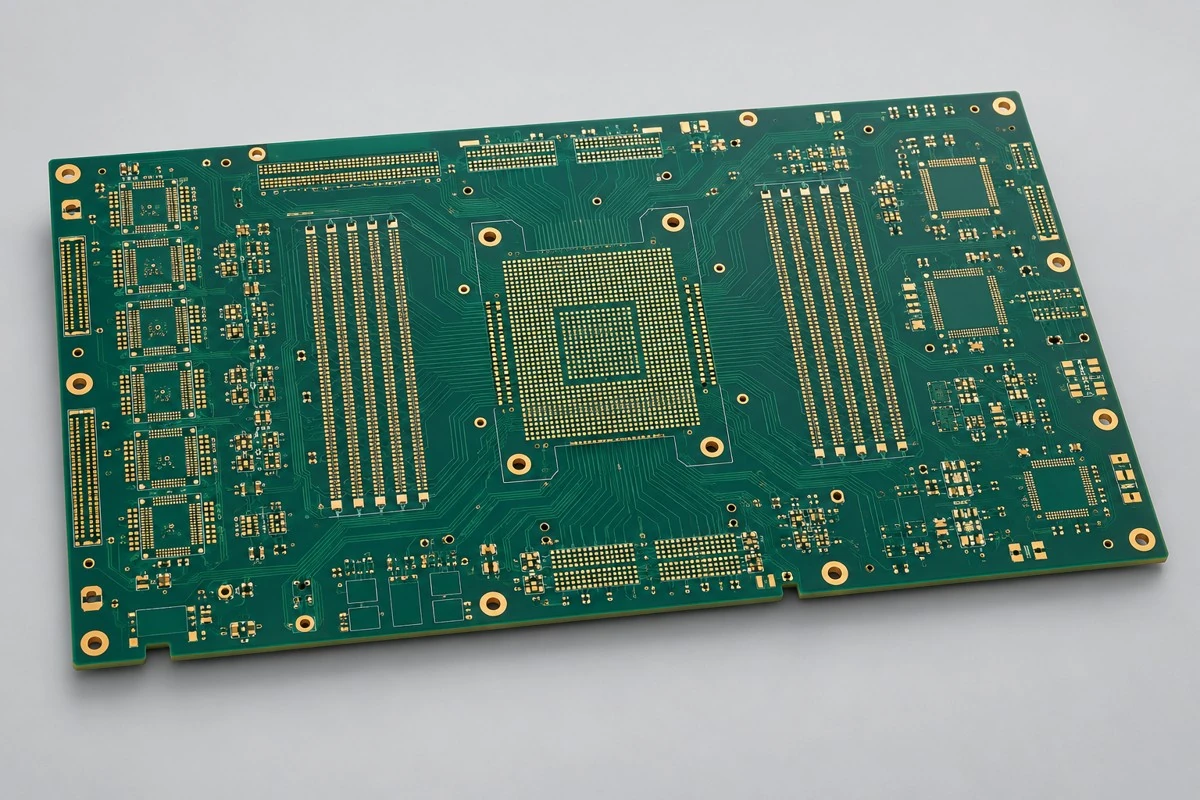
Review a twelve-layer low-loss PCB with backdrilled high-speed vias. Define entry sides, retained layers, protected copper, and measurable residual-stub targets alongside impedance and link-verification scope.
A multilayer-board reference for linking material, test, and release documentation.View ConfigurationUse this reference to check the essential inputs, then continue to the articles for specific methods and exceptions.
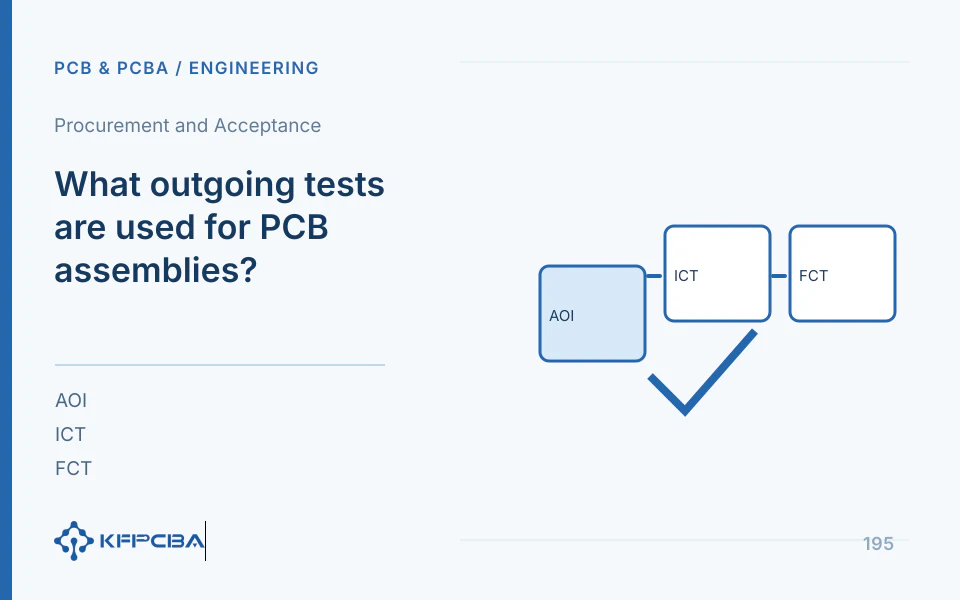
Choose PCB assembly inspection and testing by the defects and functions that need verification. Compare AOI, X-ray, ICT and FCT, then define coverage, acceptance limits, fixture responsibilities and the records required for each result.
Read Topic ReferenceFive articles are shown per page, newest first. Page 1 of 1.
Compare related decisions. Browse all engineering topics
Share the available fabrication files, BOM, drawings, quantities, target schedule, test scope, and acceptance requirements. The response will be based on the actual project conditions.

Tell us the product use and which files are available. We can define the next engineering step even when the data package is not complete.