Historical types · configuration reference
Pet camera PCBA: assembly configuration and test deliverables
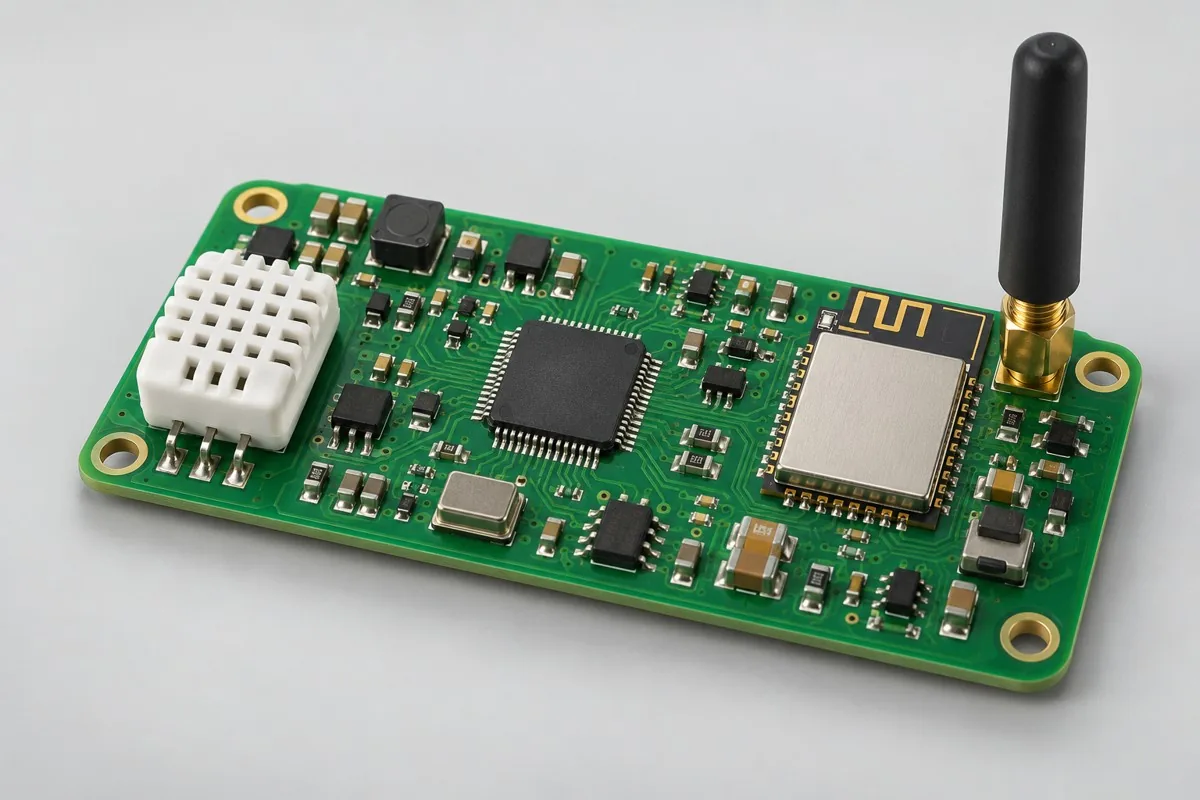
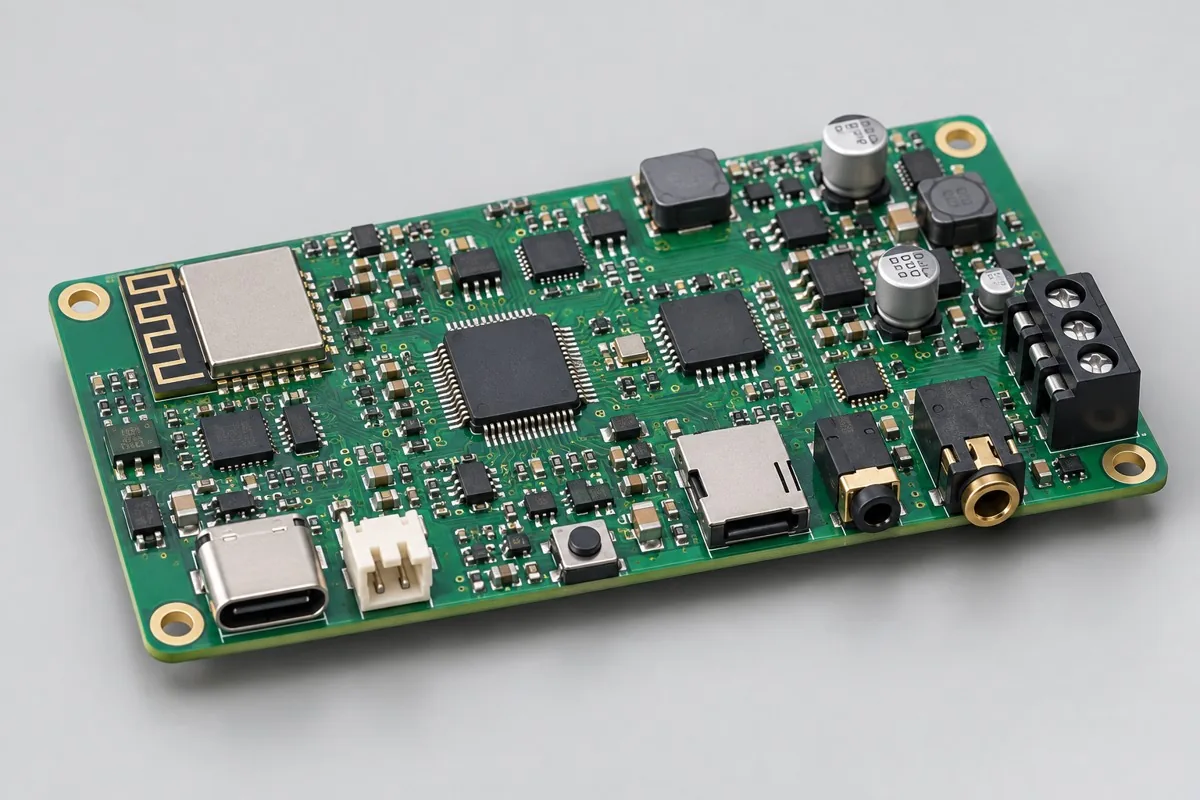
This illustrative pet camera recording and event-trigger configuration supports engineering and procurement review. Power, interfaces, materials, firmware, and test conditions must be defined for the actual design. It is not evidence of a stocked model or a product developed or manufactured by KFPCBA. Approved files and order acceptance requirements govern.
Pet camera recording board PCB assembly supports contract manufacturing and purchasing checks for pet video recording and optional motion-trigger functions. First confirm the video processing SoC/module + camera + storage, camera interface, memory card, Wi-Fi/BLE options, and 4/6-layer FR-4 reference with separate imaging/storage and power zones. Then compare the scope of SMT → hidden solder joints/interfaces → firmware → recording/readback and acceptance costs for imaging, recording readback, triggers, charging, and thermal behavior. This page separates the video board/assembly + sample clips + identity/version and product type from application validation of AI recognition performance and resolution, helping determine whether a quotation covers the actual intended use. RFQ documentation reference:BOM · bare board · material supply
Reference specification and configuration options
| Options | Reference Configuration |
|---|---|
| Reference application | Pet AI recorders, pet DV, and pet motion-detection cameras |
| Power and Logic Domains | Rechargeable single-cell battery or 5V input |
| Functional Module | Pet AI recorders/DV/motion-detection cameras (historical product types) |
| Core Components/Architecture | Video processing SoC/module + camera + storage |
| Interface and Channels | Camera interface; memory card; Wi-Fi/BLE options |
| Board Layers and Material Options | 4/6-layer FR-4 reference; separate imaging/storage and power zones |
| Component types | BGA/QFN processor, camera connector, card socket, and charging interface |
| Assembly Route | SMT → hidden solder joints/interfaces → firmware → recording/readback |
| Material Supply Scope | Specified camera module, processing module, storage, and battery |
| Firmware and Parameters | Imaging configuration, storage format, device identity; separate AI algorithm revision |
| Test Focus | Image, recording readback, trigger, charging, and thermal state |
| Deliverables | Video board/assembly + sample clips + identity/version |
| Configuration Limits/Options | Product type; AI recognition performance and resolution require application validation |
How much does pet camera recording board PCB assembly cost, and what does the quotation include?
The video SoC or module, camera module, storage, and charging interface affect recording board costs. Itemize hidden solder joints, identity programming, recording readback, triggers, and thermal behavior while recording and charging. List AI model development, memory cards, batteries, and enclosures separately according to the actual scope.
Quotation terms depend on the approved files, quantity, material supply, tests and delivery requirements.
Prepare a structured RFQ or use the short inquiry form.
| Cost Item | Scope for This Configuration | Billing frequency and work scope | Procurement Verification |
|---|---|---|---|
| Bare PCB and core components | Video processing SoC/module + camera + storage; 4/6-layer FR-4 reference; separate imaging/storage and power zones | Price according to actual bare-board/component purchase quantities; authorize critical components and substitutions individually | Specified camera module, processing module, storage, and battery |
| Placement and Post-Assembly | SMT → hidden solder joints/interfaces → firmware → recording/readback | Feeder/program setup per lot; assembly priced per board, joint, or process as agreed, with counting rules specified | BGA/QFN processor, camera connector, card socket, and charging interface |
| Manufacturing Preparation | Review stencils, first articles, and support tooling against the actual assembly route | New stencils/carriers may be separate one-time charges; verify panelization, revision, and condition before reuse | Reduced quantities do not automatically eliminate first-article or feeder setup |
| Functional Support | Image, recording readback, trigger, charging, and thermal state | Itemize test-method/fixture/script setup; agree execution charges per board, channel, or test duration | Separate supporting development from execution records for each board |
| Software and Parameters | Imaging configuration, storage format, device identity; separate AI algorithm revision | When firmware exists, distinguish file programming/verification from software development; omit programming without a firmware revision | Customer-approved files, parameters, and readback rules determine scope |
| Delivery and Change | Video board/assembly + sample clips + identity/version; product type; AI recognition performance and resolution require application validation | Price accessories, retesting, and revision changes by approved work items; do not prefill fixed rates | Check BOM, tooling, programs, and acceptance revisions before reorders |
How should shared-board video SoC and module designs be selected for pet cameras?
A shared board reduces connections but increases thermal and assembly complexity. Modules simplify firmware adaptation but add height and purchasing constraints. Compare using the same resolution, frame rate, storage, and mechanical conditions, rather than camera count alone.
| Comparison Metric | Current Conditions | Factors Influencing Procurement Decision |
|---|---|---|
| Manufacturing Delivery | SMT → hidden solder joints/interfaces → firmware → recording/readback | Produce boards/assemblies per BOM and assembly drawings; this does not establish that every system function passes |
| Functional Acceptance | Image, recording readback, trigger, charging, and thermal state | Compare unit prices after defining test stimuli, limits, accessories, and records; review missing test inputs first |
| Configuration Options | Camera interface; memory card; Wi-Fi/BLE options; 4/6-layer FR-4 reference; separate imaging/storage and power zones | Confirm circuit/program compatibility before reviewing assembly and test costs for interface, stackup, or component changes |
| Delivery Scope | Product type; AI recognition performance and resolution require application validation | Complete-system accessories, application development, and project verification are not automatically included in board assembly |
How should recording board resolution and storage capacity be selected?
Determine data volume from the camera module, encoding format, frame rate, and recording duration, then check storage writes and thermal behavior. Higher resolution also increases bandwidth and power consumption. A higher-capacity card alone cannot guarantee stable recording.
- First list the required pet video recording and optional motion-trigger functions. Distinguish build-to-print manufacturing, configuration changes, and new feature development.
- Then freeze complete part numbers for the video processing SoC/module + camera + storage, camera interface, memory card, Wi-Fi/BLE options, and the 4/6-layer FR-4 reference with separate imaging/storage and power zones. Separate consigned and sourced items according to the specified camera module, processing module, storage, and battery.
- Use the first article to verify SMT → hidden solder joints/interfaces → firmware → recording/readback, along with imaging configuration, storage format, and device identity; control AI algorithms under a separate revision. If only firmware files are supplied, agree on programming verification first; review development separately.
- Convert imaging, recording readback, triggers, charging, and thermal behavior into acceptance items with stimuli, limits, and records. Define fixture ownership, testing of each board, and retesting after rework.
- Finally confirm the video board/assembly + sample clips + identity/version and product type. AI recognition performance and resolution require application validation. Compare total prices using the same quantity, accessories, and test scope, then freeze the order version.
Applicable uses and situations requiring separate review
Pet video recording and remote observation assemblies.
Professional security evidence capture, continuous all-day high-resolution recording, or specified AI recognition accuracy requires separate system requirements. Processor support for AI does not establish that the complete product has a deliverable model.
Assembly Challenges for This Product
Inspect camera connectors, processor solder joints, and storage paths separately, and prevent contamination of video module contacts. Complete interface/hidden solder joint verification after reflow before installing the camera and mechanical parts. Recording tests must read files back and verify timing and continuity.
Structural, thermal, and configuration trade-offs
A shared-board video SoC reduces connections but increases thermal and assembly complexity. Modular designs simplify firmware adaptation but add height. Recording while charging imposes a higher thermal load than recording alone; validate mechanical designs with batteries near heat sources.
Product-specific test matrix
| Test stage | Inspection/Functional Methods | Acceptance Record |
|---|---|---|
| Image chain | Use specified camera module test charts and different lighting conditions | Module/program version and exceptions |
| Record Readback | Read files after recording/triggering to verify format and continuity | Samples, duration/count, and damage inspection |
| Power/Thermal | Run recording, network connection, and charging simultaneously and switch states | Temperature, current, and reset records |
Defect Handling and Acceptance
Isolate image corruption, damaged files, missed trigger recordings, and thermal restarts by stage. Normal app preview cannot replace local-recording acceptance. AI tests require customer-approved datasets and metrics; routine assembly tests do not evaluate algorithm performance.
Pet video PCBA: material supply and version control
Lock camera module, storage, and processor models/software compatibility. List customer AI models and key authorization separately. Memory card substitutions require write, power-loss, and thermal-condition validation.
Prototype and production planning
Determine recording/network connection/charging combinations and cooling on prototypes. Freeze camera and firmware image/model versions for production, associate clip verification with device IDs, and remove test footage and test accounts before shipment.
Delivery Configuration
Video board/assembly + sample clips + identity/version. Product type; AI recognition performance and resolution require application validation.
Convert this configuration into a reviewable order
For pet video recording control board orders, verify the BOM, quantity, material supply, and conditions below. Provide the pick-and-place file/CPL, DNP list, and assembly drawing for this board's SMT process. For contracted programming, provide files, programming rules, and verification requirements for imaging configuration, storage format, device identity, and separately versioned AI algorithms. Review costs separately for materials, SMT → hidden solder joints/interfaces → firmware → recording/readback, and required stencil/loading, support carriers, and test resources. Reapprove versions after documentation changes, and agree on delivery milestones once material readiness and scheduling are confirmed.
| Required project inputs | Engineering Decisions Affected | Records/delivery as agreed in the order |
|---|---|---|
| Video Recording Chain | Provide the camera module, resolution/frame rate, storage medium, and file format to define recording and power-loss recovery tests. | Retain sample files, temperature rise, and continuous-recording errors. AI functions require a specified model and acceptance samples. |
| Motion trigger and battery | Define trigger thresholds, standby/recording states, and battery. | Record trigger logs and current by operating state. An AI product label does not establish algorithm performance. |
Pet camera recording board PCB assembly FAQ
How much does pet camera recording board PCB assembly cost, and what does the quotation include?
Itemize camera and storage components, hidden-joint inspection, recording readback, and concurrent power/thermal tests. Confirm the files, quantities, material responsibilities, test records, delivery destination, currency, taxes, shipping, and trade terms before comparing totals. Review the quotation scope.
Does pet AI camera PCB assembly include recognition algorithms?
Separate identity and customer model loading from algorithm development and evaluation. Without a specified model, samples, and metrics, the quotation covers only defined recording or trigger functions. The name cannot establish promised recognition performance.
Why read recordings back when app preview is normal?
Preview and local storage are different paths. Record for the specified duration, then check files, timing, and continuity, along with triggers and power-loss behavior, to identify cases where preview works but recordings are corrupted.
Does recording while charging increase pet recording board test time?
Combined operation increases thermal load and requires simultaneous checks of recording, network connection, charging, and resets. Passing separate recording and charging tests does not replace this use case. State duration and mechanical conditions in the quotation.
Does changing a camera board's memory card brand require revalidation?
Compare continuous writes, power-loss recovery, and thermal conditions. Mechanical compatibility does not establish recording stability. Retain sample files and media versions, and use the approved card or storage configuration in production.
How should imaging-link testing be included in purchasing acceptance for pet camera recording board PCB assembly?
The reference method for this configuration uses specified camera module test charts and different lighting conditions. Records should include module/firmware versions and anomalies. Provide test inputs, applicable configurations, and acceptance limits with the RFQ, then agree on the scope of first-article verification and testing of each board. Price test preparation separately from each execution. If limits are missing, the method can be reviewed first, but completing a procedure cannot be described as meeting performance requirements.
How should recording readback testing be included in purchasing acceptance for pet camera recording board PCB assembly?
The reference method for this configuration reads files after recording/triggering to verify format and continuity. Records should include samples, duration/count, and corruption checks. Provide test inputs, applicable configurations, and acceptance limits with the RFQ, then agree on the scope of first-article verification and testing of each board. Price test preparation separately from each execution. If limits are missing, the method can be reviewed first, but completing a procedure cannot be described as meeting performance requirements.
How should power/thermal testing be included in purchasing acceptance for pet camera recording board PCB assembly?
The reference method for this configuration runs recording, network connection, and charging simultaneously and switches states. Records should include temperature, current, and resets. Provide test inputs, applicable configurations, and acceptance limits with the RFQ, then agree on the scope of first-article verification and testing of each board. Price test preparation separately from each execution. If limits are missing, the method can be reviewed first, but completing a procedure cannot be described as meeting performance requirements.
Can a pet camera board model or imaging configuration change be charged only as file programming?
First distinguish recording configuration changes from AI model changes. After changes to resolution, frame rate, encoding, or storage format, check continuous recording, file readback, and thermal behavior while recording and charging. Model changes also require approved samples, metrics, and model versions. Itemize file loading, test resource changes, and execution. A loaded model does not establish recognition performance or mean original recording records cover the new version.
Is BGA hidden solder joint inspection priced per component or per board for pet camera recording board PCB assembly?
Component types on this page include BGA/QFN processors, camera connectors, card sockets, and charging interfaces. List actual BGA part numbers, quantities, and solder joint inspection scope first, then agree on pricing per component, board, or inspection time. Define the method, sampling rate, retained images, and reinspection after rework. Separately confirm functional tests for imaging, recording readback, triggers, charging, and thermal behavior. Determine inspection dimensions, sampling rate, and equipment methods together with the actual package; the BGA name alone does not define them.
How should total prices be compared when critical parts are consigned and the remaining materials are sourced for pet camera recording board PCB assembly?
Create a purchasing responsibility matrix using this page's specified camera module, processing module, storage, and battery. Confirm complete part numbers, quantities, packaging, and excess-material rules with the materials. Consignment only changes purchasing responsibility. SMT → hidden solder joints/interfaces → firmware → recording/readback, along with imaging, recording readback, triggers, charging, and thermal checks, remain actual work. Approve the effects of shortages, substitutions, or lot changes first. Do not directly compare consigned-material unit prices with complete assembly prices that include materials.
Which tests should be repeated after rework or supplemental pet camera recording board PCB assembly orders?
Select retests based on the effects of the change. Original acceptance items for this configuration are imaging, recording readback, triggers, charging, and thermal behavior; shipment records comprise the video board/assembly + sample clips + identity/version. When rework affects power, interfaces, critical analog circuitry, or software versions, check related tests rather than only the repaired solder joint. Align supplemental orders with the original BOM, parameters, and test resources. Agree on retest charges based on approved items and actual quantities tested, without assuming free service or a fixed turnaround.
Compare Other Products in This Category
- Smart home sensing control board: Wireless sensing and low-power wake-up.
- Portable Audio Control Board: Charging, digital audio, and amplifier.
- 4G Bluetooth GPS locator control board: type, communication/positioning/battery-life trade-offs.
- Pet Training Controller Board: type, reception/audio-visual or vibration outputs.
- Smart fish tank feeding control board: type, feeder motor and water-level states.
When initial design files must be created
Pet video recorder core board design: Provides access to corresponding circuits/layouts and verification plans. Channels, interfaces, or mechanics may differ from this page's engineering reference and require independent design revisions. Design-stage deliverables include source files, BOMs, layout constraints, and verification records. Assembly procurement on this page delivers actual PCB assemblies/components, programmed revisions, and product-test records against approved files.
Return to consumer-electronics PCB assembly configuration comparison · Component Supply and Procurement · Testing and Delivery Scope · Camera connection board PCBA assembly
Material and Process Reference
- Engineering reference | BGA assembly methods: pad definitions, warpage, and hidden solder joints: methods for BGA pads, temperature profiling, and hidden solder joint inspection. Use current manufacturer documents for each component; do not transfer example limits
- Engineering reference | Moisture-sensitive component management: MSL, floor life, and reflow conditions: a basis for moisture-sensitive component management methods only; not evidence of KFPCBA equipment, qualifications, or order scope